
- How Blue Light Impacts Your Sleep Quality
- Comparing Whey and Plant-Based Protein: Which is Best?
- How Long Does Nicotine Remain in Your System?
- The Best Time of Day to Drink Bone Broth to Maximize Health Benefits
- 8 Ways to Increase Dopamine Naturally
- 7 Best Breads for Maintaining Stable Blood Sugar
- Gelatin vs. Collagen: Which is Best for Skin, Nails, and Joints?
- The Long-Term Effects of Daily Turmeric Supplements on Liver Health
- Could Your Grocery Store Meat Be Causing Recurring UTIs?
- Are You Making This Expensive Thermostat Error This Winter?
Whole Blood Best for Youngest Heart Surgery Patients: Study

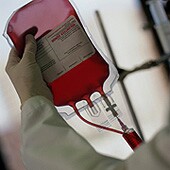
Children undergoing heart surgery do better when they get fresh whole blood from single donors instead of “component blood” from multiple donors, new research suggests.
But fresh whole blood isn’t typically available for pediatric heart surgery patients, said study leader Dr. David Jobes, of the Children’s Hospital of Philadelphia and Perelman School of Medicine at the University of Pennsylvania in Philadelphia.
“We hope that our research helps to re-examine current blood storage practice and make whole blood more readily available for pediatric patients,” Jobes added.
The findings are published in the May issue of Annals of Thoracic Surgery.
Patients given blood or blood components can experience allergic reactions or serious complications such as lung injury and infectious disease, the researchers noted.
“The risk for disease transmission in pediatric patients is essentially the same as the risk for adults, but may be more costly over the long term because infants and young children may live longer with chronic illness stemming from transfusion,” Jobes said in a journal news release.
He and his colleagues looked at a Children’s Hospital program that aimed to reduce the need for blood transfusion by routinely providing two units of fresh whole blood to elective heart surgery patients under age 2. Fresh whole blood hasn’t been divided into separate parts like plasma and platelets.
The study tracked more than 4,100 patients, most of whom received fresh whole blood, from 1995 to 2010. Their median age — meaning half older, half younger — was 94 days.
The youngest patients who had complex heart surgery procedures were exposed to the highest number of donors, while older patients who had simpler heart surgery procedures were exposed to the fewest number of donors, the researchers said.
More donors can spell more trouble for patients.
“Many congenital heart conditions require multiple surgeries over a lifetime necessitating additional transfusion, and previous exposure can cause cross-match incompatibility, reducing the availability of suitable blood for transfusion and cause problems later if heart transplantation is necessary,” Jobes said.
More information
For more about pediatric heart surgery, visit the U.S. National Library of Medicine.
Source: HealthDay
Copyright © 2026 HealthDay. All rights reserved.
Related
-
 Navigating Your Midlife Crisis: Embracing New Possibilities
A midlife crisis can open doors to personal growth...
- December 4, 2025
-
 Want A Happier Hospital? Hire More Nurses, Study Says
Adding even a few extra nurses can dramatically reduce...
- November 20, 2025
-
 Plasma Treatment Shows Promise For Menopause Symptoms Among Breast Cancer Survivors
Plasma infusions may help breast cancer survivors avoid genital...
- November 20, 2025
-
 Self-Hypnosis Can Thwart Hot Flashes
Self-hypnosis might help some women in menopause find relief...
- November 14, 2025






