
- How Blue Light Impacts Your Sleep Quality
- Comparing Whey and Plant-Based Protein: Which is Best?
- How Long Does Nicotine Remain in Your System?
- The Best Time of Day to Drink Bone Broth to Maximize Health Benefits
- 8 Ways to Increase Dopamine Naturally
- 7 Best Breads for Maintaining Stable Blood Sugar
- Gelatin vs. Collagen: Which is Best for Skin, Nails, and Joints?
- The Long-Term Effects of Daily Turmeric Supplements on Liver Health
- Could Your Grocery Store Meat Be Causing Recurring UTIs?
- Are You Making This Expensive Thermostat Error This Winter?
When to Ice, When to Heat
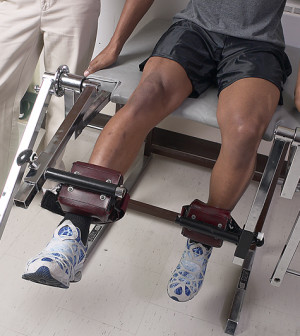
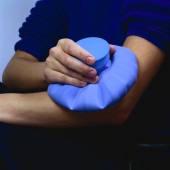
Athletes aren’t always sure whether to use heat or ice on injuries and aches and pains, so here is some advice from experts.
If you suffer a sudden sports injury, you should follow a recovery program known as RICE: rest, ice, compression, elevation.
“Elevation is probably the most important thing because it limits the amount of blood flow to the area and the amount of swelling,” Dr. Scott Lynch, director of sports medicine at Penn State Hershey Medical Center, said in a center news release.
Applying cold is important because it helps narrow blood vessels, preventing blood from accumulating at the injury site and causing too much inflammation and swelling that can delay healing.
Icing an injury for the first 48 to 72 hours reduces the amount of secondary tissue damage and can also ease pain, said Dr. Cayce Onks, a family and sports medicine doctor at the medical center.
Apply ice for 20 minutes, once an hour, Onks recommended. This gives the skin a chance to recover from each application of ice and prevents frostbite or damage to the skin.
Special freezer packs are available, but an ice bag is better, he said.
“You can mold it around the injury and get more coverage,” Onks said. “You also have to keep in mind that because of the chemicals in freezer packs, they can get much colder than ice and you could cause temperature-related skin problems.”
Heat is the best way to treat ongoing muscle aches and pains, or to loosen tense and sore areas before physical activity, he explained.
“Heat typically brings blood flow to the area, which provides nutrients that the tissues need for healing. It can also increase the flexibility of tendons and muscles,” Onks said.
Generally, a heating pad works nicely, Onks said.
More information
The U.S. National Institute of Arthritis and Musculoskeletal and Skin Diseases has more about sports injuries.
Source: HealthDay
Copyright © 2026 HealthDay. All rights reserved.
Related
-
 Navigating Your Midlife Crisis: Embracing New Possibilities
A midlife crisis can open doors to personal growth...
- December 4, 2025
-
 Want A Happier Hospital? Hire More Nurses, Study Says
Adding even a few extra nurses can dramatically reduce...
- November 20, 2025
-
 Plasma Treatment Shows Promise For Menopause Symptoms Among Breast Cancer Survivors
Plasma infusions may help breast cancer survivors avoid genital...
- November 20, 2025
-
 Self-Hypnosis Can Thwart Hot Flashes
Self-hypnosis might help some women in menopause find relief...
- November 14, 2025






