
- How Blue Light Impacts Your Sleep Quality
- Comparing Whey and Plant-Based Protein: Which is Best?
- How Long Does Nicotine Remain in Your System?
- The Best Time of Day to Drink Bone Broth to Maximize Health Benefits
- 8 Ways to Increase Dopamine Naturally
- 7 Best Breads for Maintaining Stable Blood Sugar
- Gelatin vs. Collagen: Which is Best for Skin, Nails, and Joints?
- The Long-Term Effects of Daily Turmeric Supplements on Liver Health
- Could Your Grocery Store Meat Be Causing Recurring UTIs?
- Are You Making This Expensive Thermostat Error This Winter?
Brains of Teens With Bipolar Disorder Develop Differently: Study

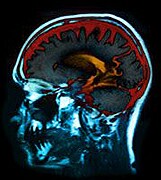
Teens with bipolar disorder seem to have abnormal development in areas of the brain that help regulate emotions, researchers report.
“In adolescence, the brain is very plastic so the hope is that one day we can develop interventions to prevent the development of bipolar disorder,” senior study author Hilary Blumberg, a professor of psychiatry, diagnostic radiology, and of psychiatric neuroscience at the Yale Child Study Center in New Haven, Conn., said in a university news release.
Bipolar disorder typically appears in the teens and causes severe swings in mood, energy and activity levels. Problems with impulse control are common among people with bipolar disorder. People with bipolar disorder are also at high risk for substance abuse and suicide, the researchers said.
Over two years, the Yale School of Medicine team conducted a series of MRI scans on 37 teens with bipolar disorder and a control group of 35 teens without the condition.
In normal development, teens tend to lose gray matter (neurons) and add white matter connections. But compared to the control group, teens with bipolar disorder lost more gray matter and had no increase in white matter connections. These differences were seen in two areas of the brain.
The findings suggest that brain circuits that regulate emotions develop differently in teens with bipolar disorder, according to the authors of the study.
The study was published recently in the journal Biological Psychiatry.
More information
The U.S. National Institute of Mental Health has more about bipolar disorder.
Source: HealthDay
Copyright © 2026 HealthDay. All rights reserved.
Related
-
 Navigating Your Midlife Crisis: Embracing New Possibilities
A midlife crisis can open doors to personal growth...
- December 4, 2025
-
 Want A Happier Hospital? Hire More Nurses, Study Says
Adding even a few extra nurses can dramatically reduce...
- November 20, 2025
-
 Plasma Treatment Shows Promise For Menopause Symptoms Among Breast Cancer Survivors
Plasma infusions may help breast cancer survivors avoid genital...
- November 20, 2025
-
 Self-Hypnosis Can Thwart Hot Flashes
Self-hypnosis might help some women in menopause find relief...
- November 14, 2025






