- How Blue Light Impacts Your Sleep Quality
- Comparing Whey and Plant-Based Protein: Which is Best?
- How Long Does Nicotine Remain in Your System?
- The Best Time of Day to Drink Bone Broth to Maximize Health Benefits
- 8 Ways to Increase Dopamine Naturally
- 7 Best Breads for Maintaining Stable Blood Sugar
- Gelatin vs. Collagen: Which is Best for Skin, Nails, and Joints?
- The Long-Term Effects of Daily Turmeric Supplements on Liver Health
- Could Your Grocery Store Meat Be Causing Recurring UTIs?
- Are You Making This Expensive Thermostat Error This Winter?
Extreme ‘Preemie’ Infants at No Higher Risk If Included in Clinical Trials

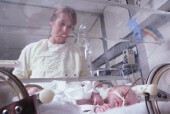
Extremely premature infants who take part in randomized clinical trials don’t have worse outcomes while in the hospital compared to those who aren’t part of such research, a new study finds.
The researchers undertook the study because it wasn’t known if taking part in randomized clinical trials posed a risk to extremely premature infants. These findings may help ease concerns, according to Dr. Elizabeth Foglia, University of Pennsylvania, and colleagues.
The research included more than 5,000 extremely premature infants — born after just 22 weeks to 28 weeks gestation. About 3,800 babies were enrolled in at least one of six randomized clinical trials and nearly 1,600 were eligible but weren’t enrolled in any of the trials.
The primary outcome — a composite of death, a chronic lung disorder, severe brain injury, or a sight-threatening eye problem — didn’t vary significantly between the two groups. Sixty-eight percent of the enrolled infants and 69 percent of the non-enrolled infants had those problems.
There were also no differences between the two groups when the researchers looked at those complications individually. In addition, there were no differences between the two groups for rates of sepsis (an infection of the bloodstream), and necrotizing enterocolitis (severe inflammation of the intestines caused by reduced blood flow).
The study was published June 16 in the journal JAMA.
More information
The March of Dimes has more about premature babies.
Source: HealthDay
Copyright © 2026 HealthDay. All rights reserved.
Related
-
 Navigating Your Midlife Crisis: Embracing New Possibilities
A midlife crisis can open doors to personal growth...
- December 4, 2025
-
 Want A Happier Hospital? Hire More Nurses, Study Says
Adding even a few extra nurses can dramatically reduce...
- November 20, 2025
-
 Plasma Treatment Shows Promise For Menopause Symptoms Among Breast Cancer Survivors
Plasma infusions may help breast cancer survivors avoid genital...
- November 20, 2025
-
 Self-Hypnosis Can Thwart Hot Flashes
Self-hypnosis might help some women in menopause find relief...
- November 14, 2025