
- How Blue Light Impacts Your Sleep Quality
- Comparing Whey and Plant-Based Protein: Which is Best?
- How Long Does Nicotine Remain in Your System?
- The Best Time of Day to Drink Bone Broth to Maximize Health Benefits
- 8 Ways to Increase Dopamine Naturally
- 7 Best Breads for Maintaining Stable Blood Sugar
- Gelatin vs. Collagen: Which is Best for Skin, Nails, and Joints?
- The Long-Term Effects of Daily Turmeric Supplements on Liver Health
- Could Your Grocery Store Meat Be Causing Recurring UTIs?
- Are You Making This Expensive Thermostat Error This Winter?
Loneliness May Fuel Mental Decline in Old Age
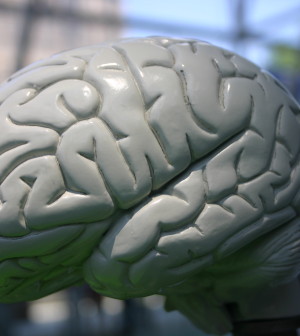

Loneliness and depression are linked to an increased risk of mental decline in the elderly, a new study suggests.
Researchers analyzed data from more than 8,300 American adults aged 65 and older who were assessed every two years between 1998 and 2010. Seventeen percent reported loneliness at the beginning of the study, and half of those who were lonely had depression.
Over the course of the study, mental decline was 20 percent faster among the loneliest people than among those who weren’t lonely. People who were depressed at the start of the study also had faster mental decline.
However, lower mental function did not lead to worsening loneliness, according to the study scheduled for presentation Monday at the Alzheimer’s Association International Conference in Washington, D.C. Data and conclusions presented at meetings are usually considered preliminary until published in a peer-reviewed medical journal.
“Our study suggests that even one or two depressive symptoms — particularly loneliness — is associated with an increased rate of cognitive decline over 12 years,” study author Dr. Nancy Donovan said in an association news release. She is a geriatric psychiatrist at Brigham and Women’s Hospital in Boston and an instructor in psychiatry at Harvard Medical School.
“We found that lonely people decline cognitively at a faster rate than people who report more satisfying social networks and connections. Although loneliness and depression appear closely linked, loneliness may, by itself, have effects on cognitive decline,” she explained.
This is important to know for the development of treatments to enhance mental health and quality of life for older adults, she added.
The new study suggested a link between loneliness, depression and heightened risk of mental decline, but it did not prove cause-and-effect.
More information
The U.S. National Institute on Aging has more about memory and cognitive health.
Source: HealthDay
Copyright © 2026 HealthDay. All rights reserved.
Related
-
 Navigating Your Midlife Crisis: Embracing New Possibilities
A midlife crisis can open doors to personal growth...
- December 4, 2025
-
 Want A Happier Hospital? Hire More Nurses, Study Says
Adding even a few extra nurses can dramatically reduce...
- November 20, 2025
-
 Plasma Treatment Shows Promise For Menopause Symptoms Among Breast Cancer Survivors
Plasma infusions may help breast cancer survivors avoid genital...
- November 20, 2025
-
 Self-Hypnosis Can Thwart Hot Flashes
Self-hypnosis might help some women in menopause find relief...
- November 14, 2025