
- How Blue Light Impacts Your Sleep Quality
- Comparing Whey and Plant-Based Protein: Which is Best?
- How Long Does Nicotine Remain in Your System?
- The Best Time of Day to Drink Bone Broth to Maximize Health Benefits
- 8 Ways to Increase Dopamine Naturally
- 7 Best Breads for Maintaining Stable Blood Sugar
- Gelatin vs. Collagen: Which is Best for Skin, Nails, and Joints?
- The Long-Term Effects of Daily Turmeric Supplements on Liver Health
- Could Your Grocery Store Meat Be Causing Recurring UTIs?
- Are You Making This Expensive Thermostat Error This Winter?
Interrupted Sleep Not Good for Your Mood, Study Suggests
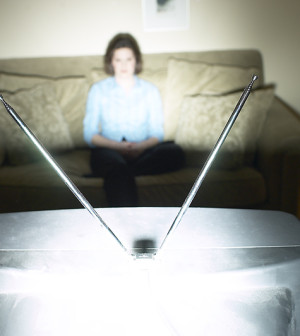
Waking up several times a night is more likely to put you in a bad mood than a shorter amount of sleep without interruption, a new study finds.
“When your sleep is disrupted throughout the night, you don’t have the opportunity to progress through the sleep stages to get the amount of slow-wave sleep that is key to the feeling of restoration,” said lead author Patrick Finan, assistant professor of psychiatry and behavioral sciences at Johns Hopkins University School of Medicine in Baltimore.
The study included 62 healthy men and women who had their mood assessed over three consecutive days. Each night the study participants had either a normal bedtime with forced awakenings, or a later bedtime with uninterrupted sleep.
The two groups had similar low levels of positive mood and high levels of negative mood after the first night, but significant differences became apparent after the second night, the investigators found.
Compared to the first day, those in the forced awakenings group had a 31 percent reduction in positive mood on the second day, compared with a 12 percent reduction for those in the later-bedtime group, the findings showed.
There were no significant differences in negative mood between the two groups on any of the three days, which suggests that sleep disturbance is especially harmful to positive mood, according to the study published in the Nov. 1 issue of the journal Sleep.
The study included people with normal sleep patterns, but it’s likely the findings also apply to those with insomnia, the researchers said. Waking up multiple times through the night is one of the most common symptoms of insomnia, which affects about 10 percent of American adults.
“Many individuals with insomnia achieve sleep in fits and starts throughout the night, and they don’t have the experience of restorative sleep,” Finan said in a university news release.
Poor mood is a common symptom of insomnia, Finan noted. He suggested that additional research is needed to learn more about sleep stages in people with insomnia and the role played by a night of restorative sleep.
More information
The U.S. National Heart, Lung, and Blood Institute has more about insomnia.
Source: HealthDay
Copyright © 2026 HealthDay. All rights reserved.
Related
-
 Navigating Your Midlife Crisis: Embracing New Possibilities
A midlife crisis can open doors to personal growth...
- December 4, 2025
-
 Want A Happier Hospital? Hire More Nurses, Study Says
Adding even a few extra nurses can dramatically reduce...
- November 20, 2025
-
 Plasma Treatment Shows Promise For Menopause Symptoms Among Breast Cancer Survivors
Plasma infusions may help breast cancer survivors avoid genital...
- November 20, 2025
-
 Self-Hypnosis Can Thwart Hot Flashes
Self-hypnosis might help some women in menopause find relief...
- November 14, 2025






