
- How Blue Light Impacts Your Sleep Quality
- Comparing Whey and Plant-Based Protein: Which is Best?
- How Long Does Nicotine Remain in Your System?
- The Best Time of Day to Drink Bone Broth to Maximize Health Benefits
- 8 Ways to Increase Dopamine Naturally
- 7 Best Breads for Maintaining Stable Blood Sugar
- Gelatin vs. Collagen: Which is Best for Skin, Nails, and Joints?
- The Long-Term Effects of Daily Turmeric Supplements on Liver Health
- Could Your Grocery Store Meat Be Causing Recurring UTIs?
- Are You Making This Expensive Thermostat Error This Winter?
How Blue Light Impacts Your Sleep Quality
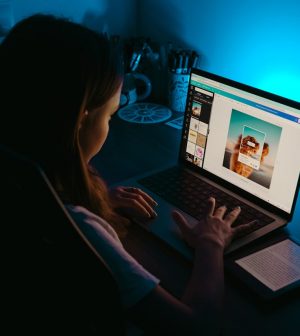
Have you experienced waking to brilliant morning sunshine feeling refreshed and alert? A major contributor to this energized mood is the intense blue light radiating from the sun. Within the visible light spectrum, blue wavelengths exert the strongest influence on your internal sleep-wake rhythm.
Both natural sunlight and artificial sources of blue light can enhance alertness and cognitive performance. However, excessive exposure may prevent sleep when your body requires rest.
Understanding Blue Light’s Sleep Disruption
Your eyes lack effective blue light filtration. Consequently, nearly all blue light penetrates directly to your retina’s back surface, where your brain converts light into visual images.
Exposure to the full light spectrum helps regulate your natural sleep-wake cycle, known as your circadian rhythm. Blue light particularly disrupts your body’s sleep preparation because it suppresses melatonin—a hormone inducing drowsiness.
The result: You experience reduced nighttime sleepiness, and falling asleep takes considerably longer.
Common Blue Light Sources
Americans average 7 hours daily on electronic devices. That represents significant blue light exposure. More concerning, nine out of 10 Americans acknowledge using electronic devices at least several nights weekly shortly before bedtime. This habit could trigger insomnia.
While device screens typically appear white, they emit wavelengths ranging from 400 to 490 nanometers—the blue light spectrum.
Indoor blue light sources include:
- Televisions
- Smartphones
- Tablets
- Gaming systems
- Fluorescent light bulbs
- LED (light-emitting diode) bulbs
- Computer monitors
Strategies for Managing Blue Light Exposure
The most effective approach to reducing artificial blue light exposure involves powering down smartphones, televisions, and other electronic devices well before bedtime. Additional strategies include:
Blue light-blocking glasses. These are readily available online. Amber or brown-tinted lenses typically provide optimal protection.
Cut back on screen time starting 2-3 hours before bed.
Dim the brightness on your devices. This feature is commonly labeled night mode or dark mode. It switches the background from white to black.
Install blue light-filtering apps on smartphones, tablets, and computer screens. These applications filter substantial blue light amounts without compromising display visibility.
Swap light bulbs. LEDs produce more blue light than fluorescent bulbs. Both emit considerably more blue light than traditional incandescent bulbs, which are being discontinued.
Use a dim red lightbulb as a nightlight. Red light minimally affects your circadian rhythm.
Set an alarm for 1 hour before bed to remind yourself to quit using devices.
Related
-
 Navigating Your Midlife Crisis: Embracing New Possibilities
A midlife crisis can open doors to personal growth...
- December 4, 2025
-
 Want A Happier Hospital? Hire More Nurses, Study Says
Adding even a few extra nurses can dramatically reduce...
- November 20, 2025
-
 Plasma Treatment Shows Promise For Menopause Symptoms Among Breast Cancer Survivors
Plasma infusions may help breast cancer survivors avoid genital...
- November 20, 2025
-
 Self-Hypnosis Can Thwart Hot Flashes
Self-hypnosis might help some women in menopause find relief...
- November 14, 2025






