
- How Blue Light Impacts Your Sleep Quality
- Comparing Whey and Plant-Based Protein: Which is Best?
- How Long Does Nicotine Remain in Your System?
- The Best Time of Day to Drink Bone Broth to Maximize Health Benefits
- 8 Ways to Increase Dopamine Naturally
- 7 Best Breads for Maintaining Stable Blood Sugar
- Gelatin vs. Collagen: Which is Best for Skin, Nails, and Joints?
- The Long-Term Effects of Daily Turmeric Supplements on Liver Health
- Could Your Grocery Store Meat Be Causing Recurring UTIs?
- Are You Making This Expensive Thermostat Error This Winter?
College Drinking May Aggravate PTSD Symptoms
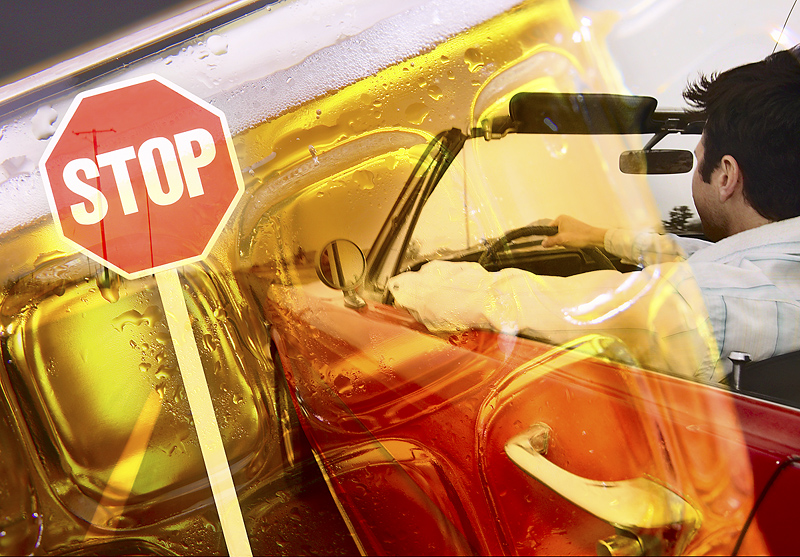

College students with post-traumatic stress disorder (PTSD) are likely to drink more alcohol than other students, potentially worsening their symptoms and leading them to drink even more, new research suggests.
It’s estimated that 9 percent of all college students suffer from PTSD, an anxiety disorder that can develop after seeing or living through a frightening event. People with PTSD may experience flashbacks, nightmares and angry outbursts.
“College is a time of important developmental changes and a period of risk for heavy drinking, trauma exposure and post-traumatic stress symptoms,” study principal investigator Jennifer Read, an associate professor of psychology at the University at Buffalo, said in a university news release.
“Heavy drinking is common on college campuses and related to risk for sexual assault, interpersonal violence and serious injury, any of which may trigger PTSD,” Read added.
For the study, published recently in the Journal of Abnormal Psychology, the researchers tracked almost 500 students through three years of college.
“We show that alcohol use and associated problems are linked over time to an exacerbation in PTSD symptoms, and that PTSD symptoms show a similar effect on alcohol consumption,” Read said.
“Each affects the other. As such, both PTSD and heavy drinking are risk factors for one another, each with implications for the other over the course of college,” Read added.
More information
For more about PTSD, visit the U.S. National Library of Medicine.
Source: HealthDay
Copyright © 2026 HealthDay. All rights reserved.
Related
-
 Navigating Your Midlife Crisis: Embracing New Possibilities
A midlife crisis can open doors to personal growth...
- December 4, 2025
-
 Want A Happier Hospital? Hire More Nurses, Study Says
Adding even a few extra nurses can dramatically reduce...
- November 20, 2025
-
 Plasma Treatment Shows Promise For Menopause Symptoms Among Breast Cancer Survivors
Plasma infusions may help breast cancer survivors avoid genital...
- November 20, 2025
-
 Self-Hypnosis Can Thwart Hot Flashes
Self-hypnosis might help some women in menopause find relief...
- November 14, 2025






