
- How Blue Light Impacts Your Sleep Quality
- Comparing Whey and Plant-Based Protein: Which is Best?
- How Long Does Nicotine Remain in Your System?
- The Best Time of Day to Drink Bone Broth to Maximize Health Benefits
- 8 Ways to Increase Dopamine Naturally
- 7 Best Breads for Maintaining Stable Blood Sugar
- Gelatin vs. Collagen: Which is Best for Skin, Nails, and Joints?
- The Long-Term Effects of Daily Turmeric Supplements on Liver Health
- Could Your Grocery Store Meat Be Causing Recurring UTIs?
- Are You Making This Expensive Thermostat Error This Winter?
Common Sleep Myths Endanger Public Health
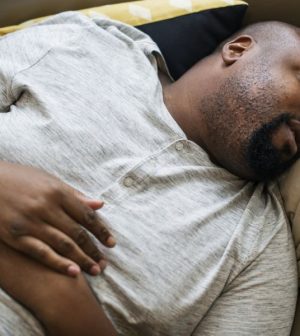
Mistaken beliefs about sleep are common and pose a significant health threat, a new study warns.
Among these myths: some people only need five hours of sleep; snoring is harmless; a drink before bedtime helps you fall asleep.
“Sleep is a vital part of life that affects our productivity, mood, and general health and well-being,” said lead investigator Rebecca Robbins. “Dispelling myths about sleep promotes healthier sleep habits which, in turn, promote overall better health.”
Robbins is a postdoctoral research fellow in the department of population health at NYU Langone Health in New York City.
For the study, the researchers reviewed more than 8,000 websites to identify the 20 most common beliefs about sleep.
One of the top myths was the claim of some people who insist they can get by on five hours of sleep a night. The study authors said this poses the most serious health risk due the effects of long-term lack of sleep.
Robbins and her colleagues suggested creating a consistent sleep schedule and getting at least seven hours of shut-eye a night.
And don’t assume your snoring is no big deal — that’s another myth, the study team said. While it can be harmless, snoring can be a sign of sleep apnea, a condition in which breathing stops and starts repeatedly during the night. Left untreated, it can lead to heart problems and other illnesses.
The researchers also dispelled the notion that a drink before bed can help you sleep. Alcohol actually makes it harder to achieve deep sleep, which is crucial for proper daytime functioning, they explained in a news release from NYU Langone.
The study was published online April 16 in the journal Sleep Health.
Study senior investigator Girardin Jean-Louis, a professor in the departments of population health and psychiatry at NYU Langone, said the public needs to be better informed about the importance of sleep.
“For example, by discussing sleep habits with their patients, doctors can help prevent sleep myths from increasing risks for heart disease, obesity and diabetes,” he said in the news release.
More information
The U.S. Centers for Disease Control and Prevention has more on sleep.
Source: HealthDay
Copyright © 2026 HealthDay. All rights reserved.
Related
-
 Navigating Your Midlife Crisis: Embracing New Possibilities
A midlife crisis can open doors to personal growth...
- December 4, 2025
-
 Want A Happier Hospital? Hire More Nurses, Study Says
Adding even a few extra nurses can dramatically reduce...
- November 20, 2025
-
 Plasma Treatment Shows Promise For Menopause Symptoms Among Breast Cancer Survivors
Plasma infusions may help breast cancer survivors avoid genital...
- November 20, 2025
-
 Self-Hypnosis Can Thwart Hot Flashes
Self-hypnosis might help some women in menopause find relief...
- November 14, 2025






