
- How Blue Light Impacts Your Sleep Quality
- Comparing Whey and Plant-Based Protein: Which is Best?
- How Long Does Nicotine Remain in Your System?
- The Best Time of Day to Drink Bone Broth to Maximize Health Benefits
- 8 Ways to Increase Dopamine Naturally
- 7 Best Breads for Maintaining Stable Blood Sugar
- Gelatin vs. Collagen: Which is Best for Skin, Nails, and Joints?
- The Long-Term Effects of Daily Turmeric Supplements on Liver Health
- Could Your Grocery Store Meat Be Causing Recurring UTIs?
- Are You Making This Expensive Thermostat Error This Winter?
Be Cautious Going Home After Hurricane Harvey
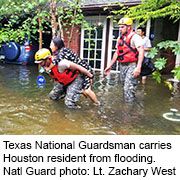
As people return to flood-affected homes in the wake of Hurricane Harvey, they need to take precautions to stay safe and healthy, the American Thoracic Society (ATS) says.
The massive storm left hundreds of thousands of homes and businesses in southeast Texas flooded and about 50,000 people displaced.
Each year, there are more than 150 flood-related deaths in the United States and many of those deaths occur from electrocution, carbon monoxide poisoning or other accidents when residents return to flooded homes.
In such situations, electricity and gas should be turned off immediately to avoid shocks and gas leaks, the ATS advised.
All mud and water that has entered the home should be considered contaminated. Wear protective equipment such as masks, gloves and glasses until cleanup is complete.
Soiled or saturated porous materials such as carpets and furniture should be thrown away to prevent mold and other microbial growth.
Solid materials can be cleaned with water and detergent. Be extremely cautious if using bleach, read and follow labels on household cleaners, and do not mix them together.
Pregnant women, young children, the elderly and people with weakened immune systems are particularly susceptible to infectious complications that can occur in flooded areas and should stay away until cleanup is complete.
Mold growth may be especially dangerous for people with pre-existing allergic or other respiratory disease, according to the ATS.
People who develop new health symptoms during flood cleanup should seek medical care as soon as possible.
If you know or suspect that your home contains lead or asbestos, do not begin cleanup without first calling (800) 424-LEAD or the EPA Toxic Substances Control Act (TSCA) Assistance Service at (202) 554-1404 for asbestos.
More information
The U.S. Centers for Disease Control and Prevention has more on flood recovery.
Source: HealthDay
Copyright © 2026 HealthDay. All rights reserved.
Related
-
 Navigating Your Midlife Crisis: Embracing New Possibilities
A midlife crisis can open doors to personal growth...
- December 4, 2025
-
 Want A Happier Hospital? Hire More Nurses, Study Says
Adding even a few extra nurses can dramatically reduce...
- November 20, 2025
-
 Plasma Treatment Shows Promise For Menopause Symptoms Among Breast Cancer Survivors
Plasma infusions may help breast cancer survivors avoid genital...
- November 20, 2025
-
 Self-Hypnosis Can Thwart Hot Flashes
Self-hypnosis might help some women in menopause find relief...
- November 14, 2025






