
- How Blue Light Impacts Your Sleep Quality
- Comparing Whey and Plant-Based Protein: Which is Best?
- How Long Does Nicotine Remain in Your System?
- The Best Time of Day to Drink Bone Broth to Maximize Health Benefits
- 8 Ways to Increase Dopamine Naturally
- 7 Best Breads for Maintaining Stable Blood Sugar
- Gelatin vs. Collagen: Which is Best for Skin, Nails, and Joints?
- The Long-Term Effects of Daily Turmeric Supplements on Liver Health
- Could Your Grocery Store Meat Be Causing Recurring UTIs?
- Are You Making This Expensive Thermostat Error This Winter?
Test Might Predict Which Kids Will Outgrow Peanut Allergy
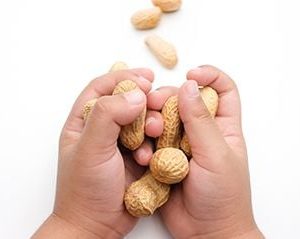
About a third of young children who are allergic to peanuts will outgrow the allergy by the age of 10, and an antibody test might predict who those kids might be.
Fluctuations in two immune system antibodies in the blood, called sIgG4 and sIgE, could point to a probable end to peanut allergy by about age 6, said a team from the Murdoch Children’s Research Institute in Melbourne, Australia.
“Children allergic to peanut who have decreasing antibody markers may benefit from additional visits with their allergist to determine the right time for follow-up food challenges to confirm if their peanut allergy has resolved,” noted study lead author and Murdoch graduate student Kayla Parker.
Her team published the findings in the May issue of Allergy.
The study involved 156 infants whose peanut allergy had been confirmed using standard peanut challenge testing. The children’s allergies were tracked at ages 4, 6 and 10 years with questionnaires, skin prick tests, blood tests and oral food challenges, Parker’s team said.
In about a third of cases, the peanut allergy faded away naturally by the age of 10, with most of these cases resolving between ages 4 and 6.
That seemed to coincide with steady declines in blood levels of sIgG4 and sIgE over time, the Melbourne team found.
On the flip side, children “with high or increasing levels of these biomarkers are less likely to spontaneously outgrow their peanut allergy and could be prioritized for potential early treatment options if available,” Parker said in a Murdoch news release.
Before their study, it was unclear “whether antibodies could be used as biomarkers of naturally resolving peanut allergy during the primary school years,” Parker said.
More information
Find out more about food allergies in kids at Johns Hopkins Medicine.
SOURCE: Murdoch Children’s Research Institute, news release, May 9, 2024
Source: HealthDay
Copyright © 2026 HealthDay. All rights reserved.
Related
-
 Navigating Your Midlife Crisis: Embracing New Possibilities
A midlife crisis can open doors to personal growth...
- December 4, 2025
-
 Want A Happier Hospital? Hire More Nurses, Study Says
Adding even a few extra nurses can dramatically reduce...
- November 20, 2025
-
 Plasma Treatment Shows Promise For Menopause Symptoms Among Breast Cancer Survivors
Plasma infusions may help breast cancer survivors avoid genital...
- November 20, 2025
-
 Self-Hypnosis Can Thwart Hot Flashes
Self-hypnosis might help some women in menopause find relief...
- November 14, 2025






