
- How Blue Light Impacts Your Sleep Quality
- Comparing Whey and Plant-Based Protein: Which is Best?
- How Long Does Nicotine Remain in Your System?
- The Best Time of Day to Drink Bone Broth to Maximize Health Benefits
- 8 Ways to Increase Dopamine Naturally
- 7 Best Breads for Maintaining Stable Blood Sugar
- Gelatin vs. Collagen: Which is Best for Skin, Nails, and Joints?
- The Long-Term Effects of Daily Turmeric Supplements on Liver Health
- Could Your Grocery Store Meat Be Causing Recurring UTIs?
- Are You Making This Expensive Thermostat Error This Winter?
Seniors’ Sleep Woes May Be Linked to Loss of Brain Cells

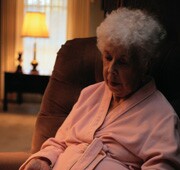
Loss of brain cells that act as a “sleep switch” may help explain why many seniors have trouble falling and staying asleep, a new study suggests.
In Alzheimer’s patients, sleep disruption can be especially severe and often results in nighttime confusion and wandering, according to the researchers.
The investigators analyzed data from the Rush Memory and Aging Project, which includes nearly 1,000 people who enrolled at age 65 and are being followed until death, at which point their brains are donated for research.
The results showed that elderly people and Alzheimer’s patients have a substantial decline in what are called ventrolateral preoptic neurons, and that loss of these brain cells is associated with sleep problems.
“On average, a person in his 70s has about one hour less sleep per night than a person in his 20s,” senior author Dr. Clifford Saper, chairman of neurology at Beth Israel Deaconess Medical Center in Boston, said in a medical center news release.
Sleep loss and fragmented sleep are associated with a number of health issues, including thinking and memory problems, increased blood pressure and vascular disease, and a tendency to develop type 2 diabetes, Saper said. “It now appears that loss of these neurons may be contributing to these various disorders as people age,” he noted.
The study was published online Aug. 20 in the journal Brain.
“These findings provide the first evidence that the ventrolateral preoptic nucleus in humans probably plays a key role in causing sleep, and functions in a similar way to other species that have been studied,” Saper said.
The loss of these neurons with aging and with Alzheimer’s disease may be a reason why older individuals often face sleep disruptions, he added. “These results may, therefore, lead to new methods to diminish sleep problems in the elderly and prevent sleep-deprivation-related cognitive [mental] decline in people with dementia,” he concluded.
More information
The U.S. National Library of Medicine has more about age-related changes in sleep.
Source: HealthDay
Copyright © 2026 HealthDay. All rights reserved.
Related
-
 Navigating Your Midlife Crisis: Embracing New Possibilities
A midlife crisis can open doors to personal growth...
- December 4, 2025
-
 Want A Happier Hospital? Hire More Nurses, Study Says
Adding even a few extra nurses can dramatically reduce...
- November 20, 2025
-
 Plasma Treatment Shows Promise For Menopause Symptoms Among Breast Cancer Survivors
Plasma infusions may help breast cancer survivors avoid genital...
- November 20, 2025
-
 Self-Hypnosis Can Thwart Hot Flashes
Self-hypnosis might help some women in menopause find relief...
- November 14, 2025






