
- How Blue Light Impacts Your Sleep Quality
- Comparing Whey and Plant-Based Protein: Which is Best?
- How Long Does Nicotine Remain in Your System?
- The Best Time of Day to Drink Bone Broth to Maximize Health Benefits
- 8 Ways to Increase Dopamine Naturally
- 7 Best Breads for Maintaining Stable Blood Sugar
- Gelatin vs. Collagen: Which is Best for Skin, Nails, and Joints?
- The Long-Term Effects of Daily Turmeric Supplements on Liver Health
- Could Your Grocery Store Meat Be Causing Recurring UTIs?
- Are You Making This Expensive Thermostat Error This Winter?
Inflammation Linked To Fatigue Among Cancer Patients
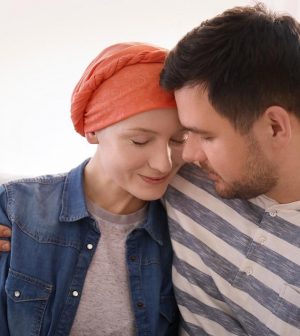
Fighting cancer can leave patients tired to their bones and researchers now think they might know why.
Inflammation was linked to fatigue among nearly 200 women with early-stage breast cancer during and after treatment with radiation or chemotherapy, researchers reported Oct. 6 in the journal Cancer.
Specifically, inflammation appeared to promote general and physical fatigue among the women, but not emotional or mental fatigue.
“Our findings indicate that inflammation plays a role in some aspects of cancer-related fatigue, but not others, and that these effects persist well after treatment,” lead researcher Julienne Bower, chair of health psychology at UCLA, said in a news release.
“This is critical for developing targeted treatments for this common and disabling symptom,” she added.
For the study, researchers studied blood levels of proteins associated with inflammation in 192 women diagnosed with early-stage breast cancer. Blood tests were done prior to treatment, and for 18 months following treatment.
The women also reported on their different types of fatigue: General, physical, mental and emotional.
Higher levels of pro-inflammatory cytokines were linked to greater general fatigue, which involves feelings of tiredness and exhaustion, researchers found.
This association held even after accounting for other factors like cancer stage, age, race, education and body mass index (BMI). BMI is an estimate of body fat based on height and weight.
These inflammation-controlling biochemicals also were tied to increased physical fatigue, which involved feelings of physical weakness and heaviness, results showed.
Based on these results, cancer care teams might want to investigate ways to manage patients’ inflammation, as lowering it might help them stay motivated and increase their odds of survival, researchers wrote.
“Of note, behavioral interventions that are effective in managing cancer-related fatigue, including physical activity, cognitive behavioral therapy, and mindfulness meditation, all reduce inflammation, which may contribute to their beneficial effects,” researchers concluded.
More information
Harvard Medical School has more on inflammation.
SOURCES: American Cancer Society, news release, Oct. 6, 2025; Cancer, Oct. 6, 2025
Source: HealthDay
Copyright © 2026 HealthDay. All rights reserved.
Related
-
 Navigating Your Midlife Crisis: Embracing New Possibilities
A midlife crisis can open doors to personal growth...
- December 4, 2025
-
 Want A Happier Hospital? Hire More Nurses, Study Says
Adding even a few extra nurses can dramatically reduce...
- November 20, 2025
-
 Plasma Treatment Shows Promise For Menopause Symptoms Among Breast Cancer Survivors
Plasma infusions may help breast cancer survivors avoid genital...
- November 20, 2025
-
 Self-Hypnosis Can Thwart Hot Flashes
Self-hypnosis might help some women in menopause find relief...
- November 14, 2025






