
- How Blue Light Impacts Your Sleep Quality
- Comparing Whey and Plant-Based Protein: Which is Best?
- How Long Does Nicotine Remain in Your System?
- The Best Time of Day to Drink Bone Broth to Maximize Health Benefits
- 8 Ways to Increase Dopamine Naturally
- 7 Best Breads for Maintaining Stable Blood Sugar
- Gelatin vs. Collagen: Which is Best for Skin, Nails, and Joints?
- The Long-Term Effects of Daily Turmeric Supplements on Liver Health
- Could Your Grocery Store Meat Be Causing Recurring UTIs?
- Are You Making This Expensive Thermostat Error This Winter?
Rehab: What to Expect After Your Knee Replacement
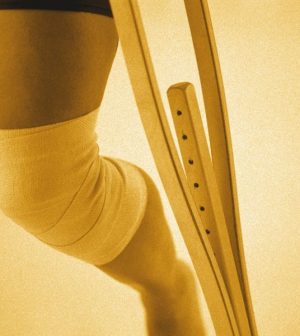
Most people who have had a knee replacement would agree that the procedure brings relief from pain.
And following a comprehensive rehabilitation plan can make recovery quicker and easier, and improve long-term mobility, according to doctors at Penn Medicine, in Pennsylvania.
Typically, immediately after knee replacement surgery, patients are moved to a recovery room for one to three hours. Those who are able to start moving sooner may have fewer complications, experts say.
Patients are encouraged to get up and move as soon as it is practical and safe. The orthopedic teams assist the patient in walking short distances with crutches or a walking frame.
Most people will be discharged from the hospital the day after surgery.
Some may be given the option to go home the same day. Those patients must be in relatively good health and have a dependable support system to help them at home.
Patients who have a knee replacement go home with directions for incision care, medications, required follow-up visits and lists of restrictions, such as no driving or showering.
Like most health systems, Penn Medicine has a system for managing pain after knee replacement, which reduces the need for pain medications and narcotics, the doctors pointed out in a news release.
A physical therapist will help ensure that the patient is correctly using a walker or crutches, both for safety and comfort. If an inpatient rehabilitation center is best for the patient, a social worker will check on and arrange for insurance coverage.
In many cases, for patients returning home, the hospital will arrange for the physical and occupational therapy at the house, beginning the next day. The length of therapy depends on a patient’s specific needs.
Incorporating exercises into the daily routine at home is important, the experts noted.
The doctors at Penn urge patients to focus on bending and straightening the knee as best they can, while also doing specific assigned exercises. The exercises are designed to strengthen muscles surrounding the knee joints and increase range of motion.
Those exercises should be done as instructed by the doctor.
More information
The U.S. National Library of Medicine has more on knee replacement.
SOURCE: Penn Medicine, news release, July 2022
Source: HealthDay
Copyright © 2026 HealthDay. All rights reserved.
Related
-
 Navigating Your Midlife Crisis: Embracing New Possibilities
A midlife crisis can open doors to personal growth...
- December 4, 2025
-
 Want A Happier Hospital? Hire More Nurses, Study Says
Adding even a few extra nurses can dramatically reduce...
- November 20, 2025
-
 Plasma Treatment Shows Promise For Menopause Symptoms Among Breast Cancer Survivors
Plasma infusions may help breast cancer survivors avoid genital...
- November 20, 2025
-
 Self-Hypnosis Can Thwart Hot Flashes
Self-hypnosis might help some women in menopause find relief...
- November 14, 2025






