
- How Blue Light Impacts Your Sleep Quality
- Comparing Whey and Plant-Based Protein: Which is Best?
- How Long Does Nicotine Remain in Your System?
- The Best Time of Day to Drink Bone Broth to Maximize Health Benefits
- 8 Ways to Increase Dopamine Naturally
- 7 Best Breads for Maintaining Stable Blood Sugar
- Gelatin vs. Collagen: Which is Best for Skin, Nails, and Joints?
- The Long-Term Effects of Daily Turmeric Supplements on Liver Health
- Could Your Grocery Store Meat Be Causing Recurring UTIs?
- Are You Making This Expensive Thermostat Error This Winter?
Study May Explain Why Some Obese People Don’t Get Diabetes
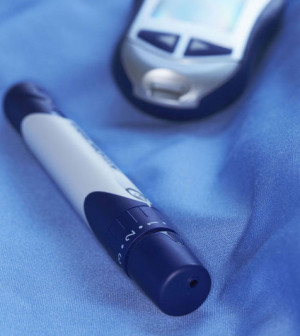

TUESDAY, Aug. 27Obese people are generally believed to be at greater risk for developing type 2 diabetes and heart disease, but a new study suggests the risk may have more to do with inflammation than extra pounds.
Researchers in Ireland report that chronic inflammation may affect the risk for heart disease and diabetes, which are caused by so-called metabolic factors including high blood sugar, high blood pressure and high cholesterol. The findings could help explain why up to 35 percent of obese people are not affected by metabolic disorders — a phenomenon known as metabolically healthy obesity.
“In our study, metabolically healthy people — both obese and nonobese — had lower levels of a range of inflammatory markers,” study author Catherine Phillips, of University College Cork, said in a news release from the Endocrine Society. “Regardless of their body-mass index, people with favorable inflammatory profiles also tended to have healthy metabolic profiles.”
In conducting the study, the researchers examined information on 2,040 people between 50 and 60 years of age involved in the Cork and Kerry Diabetes and Heart Disease Study.
The participants were surveyed about their lifestyle, and underwent physical exams and blood tests to assess their body-mass index (BMI, a measurement based on height and weight), metabolic profile and level of inflammation.
After examining for certain signs of inflammation, the investigators found that those who were not affected by metabolic disorders had lower white blood cell counts and acute-phase response proteins, which are usually elevated in response to inflammation.
The study, published in the current issue of the Journal of Clinical Endocrinology & Metabolism, also found those without any metabolic disorders had higher levels of adiponectin, a hormone with anti-inflammatory properties. This was true for both lean and obese people who were metabolically healthy.
“From a public health standpoint, we need better methods for identifying which obese people face the greatest risk of diabetes and heart disease,” Phillips concluded. “Inflammatory markers offer a potential strategy for pinpointing people who could benefit most from medical interventions.”
More information
The American Diabetes Association has more about diabetes.
Source: HealthDay
Copyright © 2026 HealthDay. All rights reserved.
Related
-
 Navigating Your Midlife Crisis: Embracing New Possibilities
A midlife crisis can open doors to personal growth...
- December 4, 2025
-
 Want A Happier Hospital? Hire More Nurses, Study Says
Adding even a few extra nurses can dramatically reduce...
- November 20, 2025
-
 Plasma Treatment Shows Promise For Menopause Symptoms Among Breast Cancer Survivors
Plasma infusions may help breast cancer survivors avoid genital...
- November 20, 2025
-
 Self-Hypnosis Can Thwart Hot Flashes
Self-hypnosis might help some women in menopause find relief...
- November 14, 2025






