
- How Blue Light Impacts Your Sleep Quality
- Comparing Whey and Plant-Based Protein: Which is Best?
- How Long Does Nicotine Remain in Your System?
- The Best Time of Day to Drink Bone Broth to Maximize Health Benefits
- 8 Ways to Increase Dopamine Naturally
- 7 Best Breads for Maintaining Stable Blood Sugar
- Gelatin vs. Collagen: Which is Best for Skin, Nails, and Joints?
- The Long-Term Effects of Daily Turmeric Supplements on Liver Health
- Could Your Grocery Store Meat Be Causing Recurring UTIs?
- Are You Making This Expensive Thermostat Error This Winter?
What’s the Right Age to Test for Osteoporosis?
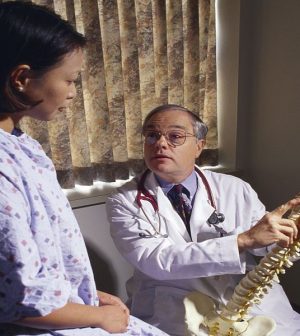
Osteoporosis is a threat to many women, especially after menopause. But the lead up to weak, brittle bones can start much earlier in life.
When bone density drops but isn’t yet at the level of osteoporosis, it’s called osteopenia. Osteopenia affects more than 33 million Americans over age 50, men and women, while 10 million have osteoporosis.
Yet the DEXA scan, the painless X-ray-based test that measures bone density, isn’t recommended for women until age 65, when they may need bone-building drugs to avoid fractures. For men, the prevalence of osteoporosis doesn’t increase with age until 80, but even then, there are no screening guidelines. So, what’s the answer?
Cost versus benefit is one reason insurers don’t universally cover the scan for women under 65. But you may be a candidate for earlier testing if you broke a bone after age 45, are losing height, are developing a slumped or hunched posture, or have sudden, unexplained back pain.
If you’re healthy but have concerns about bone health or risk factors for osteoporosis, you can talk to your doctor about earlier testing.
Factors that can increase your fracture risk include your height and weight — very thin women are at greater risk. Not getting enough exercise, smoking, drinking alcohol, a family history of osteoporosis or having a parent who broke a hip are others. Having a disease or taking medications associated with an increased risk of osteoporosis also increases your risk of fractures.
For better bone health, make sure your diet includes good sources of calcium-rich foods, that you get enough vitamin D through sunlight or a supplement, and that you get regular, weight-bearing exercise. That includes activities done while standing, like walking, which helps develop bone. Limit alcohol to one drink a day and don’t smoke.
More information
Harvard Health has more on osteopenia and osteoporosis.
Source: HealthDay
Copyright © 2026 HealthDay. All rights reserved.
Related
-
 Navigating Your Midlife Crisis: Embracing New Possibilities
A midlife crisis can open doors to personal growth...
- December 4, 2025
-
 Want A Happier Hospital? Hire More Nurses, Study Says
Adding even a few extra nurses can dramatically reduce...
- November 20, 2025
-
 Plasma Treatment Shows Promise For Menopause Symptoms Among Breast Cancer Survivors
Plasma infusions may help breast cancer survivors avoid genital...
- November 20, 2025
-
 Self-Hypnosis Can Thwart Hot Flashes
Self-hypnosis might help some women in menopause find relief...
- November 14, 2025






