
- How Blue Light Impacts Your Sleep Quality
- Comparing Whey and Plant-Based Protein: Which is Best?
- How Long Does Nicotine Remain in Your System?
- The Best Time of Day to Drink Bone Broth to Maximize Health Benefits
- 8 Ways to Increase Dopamine Naturally
- 7 Best Breads for Maintaining Stable Blood Sugar
- Gelatin vs. Collagen: Which is Best for Skin, Nails, and Joints?
- The Long-Term Effects of Daily Turmeric Supplements on Liver Health
- Could Your Grocery Store Meat Be Causing Recurring UTIs?
- Are You Making This Expensive Thermostat Error This Winter?
Premature Birth Linked to Asthma, Wheezing in Childhood
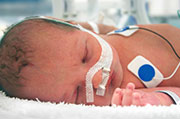
A new analysis of existing research suggests that premature babies face a higher risk of developing asthma and wheezing disorders when they’re older.
Researchers from Harvard Medical School, the Maastricht University Medical Center in the Netherlands and the University of Edinburgh in Scotland examined 30 studies that included about 1.5 million children.
They found that premature children (born before 37 weeks of gestation) were 46 percent more likely to develop asthma or wheezing problems than kids who weren’t born prematurely. Full-term birth is generally considered about 40 weeks’ gestation.
Very premature children (those born before 32 weeks’ gestation) faced an even higher estimated risk — almost three times that of children born at full term, said Jasper Been, from Maastricht University, and his colleagues.
About 11 percent of children are born prematurely, the study authors said in the report, which was published in the Jan. 28 online edition of the journal PLoS Medicine.
“The current findings do not support prior suggestions that the association between preterm birth and wheezing disorders becomes less prominent with increasing age,” the researchers wrote in the report. “Instead, the strength of the association was similar across age groups [up to 18 years],” which suggests that the effects of preterm birth on the lungs tend to have life-long consequences.
Although the study found an association between premature birth and respiratory problems such as asthma later in life, it did not prove a cause-and-effect relationship.
More information
For more about premature birth, visit the U.S. National Library of Medicine.
Source: HealthDay
Copyright © 2026 HealthDay. All rights reserved.
Related
-
 Navigating Your Midlife Crisis: Embracing New Possibilities
A midlife crisis can open doors to personal growth...
- December 4, 2025
-
 Want A Happier Hospital? Hire More Nurses, Study Says
Adding even a few extra nurses can dramatically reduce...
- November 20, 2025
-
 Plasma Treatment Shows Promise For Menopause Symptoms Among Breast Cancer Survivors
Plasma infusions may help breast cancer survivors avoid genital...
- November 20, 2025
-
 Self-Hypnosis Can Thwart Hot Flashes
Self-hypnosis might help some women in menopause find relief...
- November 14, 2025






