- How Blue Light Impacts Your Sleep Quality
- Comparing Whey and Plant-Based Protein: Which is Best?
- How Long Does Nicotine Remain in Your System?
- The Best Time of Day to Drink Bone Broth to Maximize Health Benefits
- 8 Ways to Increase Dopamine Naturally
- 7 Best Breads for Maintaining Stable Blood Sugar
- Gelatin vs. Collagen: Which is Best for Skin, Nails, and Joints?
- The Long-Term Effects of Daily Turmeric Supplements on Liver Health
- Could Your Grocery Store Meat Be Causing Recurring UTIs?
- Are You Making This Expensive Thermostat Error This Winter?
Health Tip: Symptoms of Iron-Deficiency Anemia

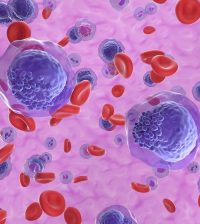
You need iron to make hemoglobin, the part of each red blood cell that carries oxygen throughout the body.
More women than men are iron-deficient, which is common during pregnancy. You have iron-deficiency anemia when your body does not make enough healthy red blood cells or the blood cells do not work properly.
This can happen when you do not have enough iron in your body. Women who are pregnant and who have heavy periods are more likely to develop iron-deficiency anemia.
Iron-deficiency anemia often develops gradually and initially may lack symptoms. As time goes on, the U.S. Office on Women’s Health says you may notice one or more of these symptoms:
- Fatigue.
- Weakness.
- Dizziness.
- Headaches.
- Low body temperature.
- Pale skin.
- Rapid or irregular heartbeat.
- Shortness of breath or chest pain, especially with physical activity.
- Brittle nails.
- Pica (unusual cravings for ice, very cold drinks, or non-food items such as dirt or paper).
Source: HealthDay
Copyright © 2026 HealthDay. All rights reserved.
Related
-
 Navigating Your Midlife Crisis: Embracing New Possibilities
A midlife crisis can open doors to personal growth...
- December 4, 2025
-
 Want A Happier Hospital? Hire More Nurses, Study Says
Adding even a few extra nurses can dramatically reduce...
- November 20, 2025
-
 Plasma Treatment Shows Promise For Menopause Symptoms Among Breast Cancer Survivors
Plasma infusions may help breast cancer survivors avoid genital...
- November 20, 2025
-
 Self-Hypnosis Can Thwart Hot Flashes
Self-hypnosis might help some women in menopause find relief...
- November 14, 2025