
- How Blue Light Impacts Your Sleep Quality
- Comparing Whey and Plant-Based Protein: Which is Best?
- How Long Does Nicotine Remain in Your System?
- The Best Time of Day to Drink Bone Broth to Maximize Health Benefits
- 8 Ways to Increase Dopamine Naturally
- 7 Best Breads for Maintaining Stable Blood Sugar
- Gelatin vs. Collagen: Which is Best for Skin, Nails, and Joints?
- The Long-Term Effects of Daily Turmeric Supplements on Liver Health
- Could Your Grocery Store Meat Be Causing Recurring UTIs?
- Are You Making This Expensive Thermostat Error This Winter?
Don’t Rely on Just One Blood Pressure Test for Kids: Study
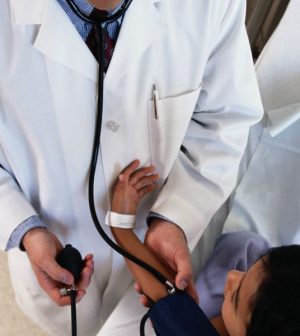
It’s important to take a second blood pressure reading if your child’s first reading points to high blood pressure, researchers say.
They found that nearly 25 percent of children and teens who had their blood pressure checked by their primary care doctor had readings in the high range, but less than half of those readings were confirmed when their blood pressure was checked again.
In fact, just slightly more than 2 percent of the children had sustained high blood pressure over time, the researchers found.
The study included data from more than 755,000 Kaiser Permanente patients, aged 3 to 17, in Southern California.
“Pediatricians don’t diagnose hypertension in children very often, but if it is there, we want to find it,” said study author Dr. Robert James Riewerts, regional chief of pediatrics for the Southern California Permanente Medical Group.
“This study is important because it demonstrates the best path to accurately diagnose hypertension in a child or teen,” he said in a Kaiser Permanente news release. “Taking a second blood pressure reading is something all clinicians must consider when the initial reading is elevated.”
It’s common for the blood pressure of children and teens to vary quite a bit, the researchers noted. What’s considered high blood pressure also varies for young people based on their gender, age and height.
“Because an elevated first blood pressure in youth is common, correct identification of truly elevated blood pressure may be a first step to improve the recognition of hypertension in pediatric care,” Corinna Koebnick, who’s with the group’s research and evaluation section, said in the news release.
“If hypertension is missed, children and teens may not receive the counseling they need for lifestyle changes or medication,” she said.
The study findings were published Jan. 12 in the Journal of Clinical Hypertension.
More information
The American Academy of Pediatrics has more on high blood pressure in children.
Source: HealthDay
Copyright © 2026 HealthDay. All rights reserved.
Related
-
 Navigating Your Midlife Crisis: Embracing New Possibilities
A midlife crisis can open doors to personal growth...
- December 4, 2025
-
 Want A Happier Hospital? Hire More Nurses, Study Says
Adding even a few extra nurses can dramatically reduce...
- November 20, 2025
-
 Plasma Treatment Shows Promise For Menopause Symptoms Among Breast Cancer Survivors
Plasma infusions may help breast cancer survivors avoid genital...
- November 20, 2025
-
 Self-Hypnosis Can Thwart Hot Flashes
Self-hypnosis might help some women in menopause find relief...
- November 14, 2025






