
- How Blue Light Impacts Your Sleep Quality
- Comparing Whey and Plant-Based Protein: Which is Best?
- How Long Does Nicotine Remain in Your System?
- The Best Time of Day to Drink Bone Broth to Maximize Health Benefits
- 8 Ways to Increase Dopamine Naturally
- 7 Best Breads for Maintaining Stable Blood Sugar
- Gelatin vs. Collagen: Which is Best for Skin, Nails, and Joints?
- The Long-Term Effects of Daily Turmeric Supplements on Liver Health
- Could Your Grocery Store Meat Be Causing Recurring UTIs?
- Are You Making This Expensive Thermostat Error This Winter?
Black Cancer Patients Frailer Than Their Peers
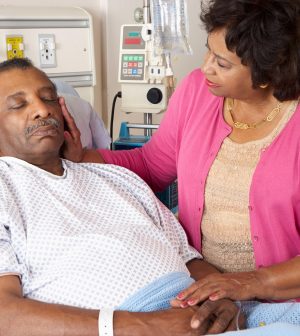
Older Black American cancer patients have higher rates of frailty and disability than their white peers, which may help explain why Black patients also have higher cancer death rates, new research suggests.
The researchers noted that Black patients are more likely to die from cancer than most other groups, despite efforts to reduce cancer-related racial disparities.
The new study included 553 older adults who had recently been diagnosed with gastrointestinal cancer and were listed in a registry at the University of Alabama at Birmingham.
The researchers found that 50% of Black patients and nearly 33% of white patients were frail, with symptoms such as weakness and fatigue.
The study also found that Black patients were twice as likely as white patients to report difficulties with: walking one block; basic daily self-care tasks like dressing and bathing; and daily household chores such as cleaning and shopping.
The differences between Black and white patients remained even after the researchers adjusted for age, sex, education, cancer type, cancer stage and other health conditions, according to the study published online April 11 in the journal Cancer.
“As frailty and functional impairments are associated with increased chemotherapy toxicities, hospitalizations and poorer overall survival, these differences may in part explain racial disparities in cancer outcomes,” lead study author Dr. Grant Williams said in a journal news release.
Further research is needed to determine why frailty is more common in older Black cancer patients and to find ways to reduce it, the study authors said.
“Health care providers should work to incorporate geriatric assessment-driven interventions into clinical practice for older, frail patients — including those who appear to be at ostensibly higher risk because of racial considerations — with the goal of lessening these patients’ side effects and improving their cancer outcomes,” Jana Wieland and colleagues wrote in an accompanying editorial.
More information
There’s more on frailty at the Canadian Frailty Network.
SOURCE: Cancer, news release, April 11, 2022
Source: HealthDay
Copyright © 2026 HealthDay. All rights reserved.
Related
-
 Navigating Your Midlife Crisis: Embracing New Possibilities
A midlife crisis can open doors to personal growth...
- December 4, 2025
-
 Want A Happier Hospital? Hire More Nurses, Study Says
Adding even a few extra nurses can dramatically reduce...
- November 20, 2025
-
 Plasma Treatment Shows Promise For Menopause Symptoms Among Breast Cancer Survivors
Plasma infusions may help breast cancer survivors avoid genital...
- November 20, 2025
-
 Self-Hypnosis Can Thwart Hot Flashes
Self-hypnosis might help some women in menopause find relief...
- November 14, 2025






