- How Blue Light Impacts Your Sleep Quality
- Comparing Whey and Plant-Based Protein: Which is Best?
- How Long Does Nicotine Remain in Your System?
- The Best Time of Day to Drink Bone Broth to Maximize Health Benefits
- 8 Ways to Increase Dopamine Naturally
- 7 Best Breads for Maintaining Stable Blood Sugar
- Gelatin vs. Collagen: Which is Best for Skin, Nails, and Joints?
- The Long-Term Effects of Daily Turmeric Supplements on Liver Health
- Could Your Grocery Store Meat Be Causing Recurring UTIs?
- Are You Making This Expensive Thermostat Error This Winter?
Can Protein in Common Skin Bacteria Offer Disease Protection?

Our most common skin bacteria may help shield us from some skin diseases, a new study suggests.
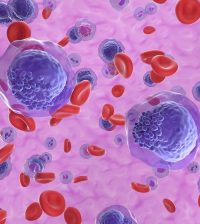
Swedish researchers report that Propionibacterium acnes secretes a protein called RoxP that protects against bacteria that are believed to contribute to several skin disorders.
Specifically, RoxP protects against skin cell damage called oxidative stress caused by reactive oxygen bacteria. UV radiation from the sun is a common cause of oxidative stress on the skin.
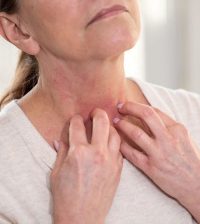
Oxidative stress is believed to contribute to several skin diseases, including eczema, psoriasis and skin cancer.
The protective effect of RoxP is as strong as antioxidants such as vitamins C and E, according to the study published recently in the journal Scientific Reports.
“This protein is important for the bacterium’s very survival on our skin. The bacterium improves its living environment by secreting RoxP, but in doing so it also benefits us,” study author Rolf Lood said in a news release from Lund University in Sweden. He is a postdoctoral researcher in Lund’s Department of Clinical Sciences.
The name Propionibacterium acnes comes from the fact that it was first discovered on a patient with acne. “But whether it causes acne is uncertain — it may have been present merely because it is so common,” Lood said.
Propionibacterium acnes is found on people with and without skin diseases. But people have different amounts of the bacterium on their skin, which can produce varying amounts of RoxP, Lood noted.
The researchers plan further studies in mice and humans.
“If the study results are positive, they could lead to the inclusion of RoxP in sunscreens and its use in the treatment of psoriasis and atopic dermatitis,” Lood said.
More information
The U.S. National Institutes of Health outlines how to keep your skin healthy.
Source: HealthDay
Copyright © 2026 HealthDay. All rights reserved.
Related
-
 Navigating Your Midlife Crisis: Embracing New Possibilities
A midlife crisis can open doors to personal growth...
- December 4, 2025
-
 Want A Happier Hospital? Hire More Nurses, Study Says
Adding even a few extra nurses can dramatically reduce...
- November 20, 2025
-
 Plasma Treatment Shows Promise For Menopause Symptoms Among Breast Cancer Survivors
Plasma infusions may help breast cancer survivors avoid genital...
- November 20, 2025
-
 Self-Hypnosis Can Thwart Hot Flashes
Self-hypnosis might help some women in menopause find relief...
- November 14, 2025