
- How Blue Light Impacts Your Sleep Quality
- Comparing Whey and Plant-Based Protein: Which is Best?
- How Long Does Nicotine Remain in Your System?
- The Best Time of Day to Drink Bone Broth to Maximize Health Benefits
- 8 Ways to Increase Dopamine Naturally
- 7 Best Breads for Maintaining Stable Blood Sugar
- Gelatin vs. Collagen: Which is Best for Skin, Nails, and Joints?
- The Long-Term Effects of Daily Turmeric Supplements on Liver Health
- Could Your Grocery Store Meat Be Causing Recurring UTIs?
- Are You Making This Expensive Thermostat Error This Winter?
Don’t Try to Kick the Smoking Habit Alone
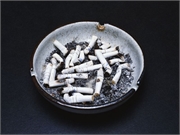
Going solo when trying to quit smoking isn’t enough, one lung health expert says.
“Smokers develop a physiological dependence on nicotine, and they need more than willpower to quit,” said Dr. Danish Ahmad, a pulmonologist with Penn State Health’s Milton S. Hershey Medical Center.
The American Cancer Society says that smokers typically try quitting eight to 10 times before succeeding. That may sound daunting, but there’s good news.
According to Diane Schmeck, a certified tobacco treatment specialist at Penn State Health, “The more times people try to quit, the more successful they might be the next time.”
Though about 70% of smokers know they want to quit, particularly to avoid lung cancer and cardiovascular disease, there are many lesser known health risks. Smoking can cause cancer of the esophagus, pancreas and stomach, as well as breathing issues that can lead to emphysema.
“Smoking affects your small blood vessels, which can mean poor circulation in the arms or legs, or a greater risk of erectile dysfunction in males,” Schmeck said in a Penn State Health news release.
But if you quit, benefits can be seen immediately, Ahmad said.
“Within 20 minutes, a smoker’s heart rate and blood pressure improves, and within 12 hours, the carbon monoxide level drops,” he said.
Smokers have the highest likelihood of quitting through programs integrating one-on-one counseling, group support and medication, research shows. Nicotine replacement therapy is commonly recommended.
“These medicines replace the nicotine the body is seeking as a result of smoking cigarettes,” Ahmad said. “The other types are oral medications, the most frequently recommended of which is varenicline (Chantix).”
Many insurance companies cover smoking cessation programs, Ahmad noted.
“The best thing you can do for your health is to keep working on it,” he advised.
More information
The American Cancer Society has more on quitting smoking.
Source: HealthDay
Copyright © 2026 HealthDay. All rights reserved.
Related
-
 Navigating Your Midlife Crisis: Embracing New Possibilities
A midlife crisis can open doors to personal growth...
- December 4, 2025
-
 Want A Happier Hospital? Hire More Nurses, Study Says
Adding even a few extra nurses can dramatically reduce...
- November 20, 2025
-
 Plasma Treatment Shows Promise For Menopause Symptoms Among Breast Cancer Survivors
Plasma infusions may help breast cancer survivors avoid genital...
- November 20, 2025
-
 Self-Hypnosis Can Thwart Hot Flashes
Self-hypnosis might help some women in menopause find relief...
- November 14, 2025






