- How Blue Light Impacts Your Sleep Quality
- Comparing Whey and Plant-Based Protein: Which is Best?
- How Long Does Nicotine Remain in Your System?
- The Best Time of Day to Drink Bone Broth to Maximize Health Benefits
- 8 Ways to Increase Dopamine Naturally
- 7 Best Breads for Maintaining Stable Blood Sugar
- Gelatin vs. Collagen: Which is Best for Skin, Nails, and Joints?
- The Long-Term Effects of Daily Turmeric Supplements on Liver Health
- Could Your Grocery Store Meat Be Causing Recurring UTIs?
- Are You Making This Expensive Thermostat Error This Winter?
Science Reveals How Aspirin Prevents Colon Cancer
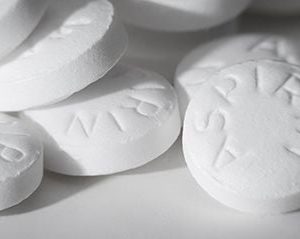
Long-term daily use of aspirin has been known to prevent colon cancer, but up to now it’s been unclear why that is.
Now, researchers think they understand how aspirin acts against colon cancer, a new study says.
Aspirin appears to boost aspects of the body’s immune response against cancer cells, according to findings published April 22 in the journal Cancer.
“Our study shows a complementary mechanism of cancer prevention or therapy with aspirin besides its classical drug mechanism involving inhibition of inflammation,” said lead researcher Dr. Marco Scarpa, a general surgeon with the University of Padova in Italy.
For the study, researchers obtained tissue samples from 238 patients who underwent surgery for colon cancer between 2015 and 2019. Of those, about 12% were aspirin users.
Tissue samples from aspirin users showed less cancer spread to the lymph nodes, and more aggressive activity of immune cells against tumors, the researchers said.
In the lab, they discovered that exposing colon cancer cells to aspirin enhanced the ability of immune cells to alert each other to the presence of tumors.
Specifically, immune cells started expressing more of a protein called CD80. In patients with rectal cancer, aspirin users had higher CD80 expression in healthy tissue, suggesting that aspirin enhances the ability of the immune system to seek out and destroy cancer cells, researchers said.
The next step will be to find a way to get aspirin deeper into the gut, to enhance its anti-cancer effects, Scarpa said.
“Aspirin is absorbed in the colon by passive diffusion to a significant degree,” Scarpa said, so “if we want to take advantage of its effects against colorectal cancer, we should think of how to guarantee that aspirin reaches the colorectal tract in adequate doses to be effective.”
More information
The American Academy of Family Physicians has more about aspirin for colon cancer prevention.
SOURCE: American Cancer Society, news release
Source: HealthDay
Copyright © 2026 HealthDay. All rights reserved.
Related
-
 Navigating Your Midlife Crisis: Embracing New Possibilities
A midlife crisis can open doors to personal growth...
- December 4, 2025
-
 Want A Happier Hospital? Hire More Nurses, Study Says
Adding even a few extra nurses can dramatically reduce...
- November 20, 2025
-
 Plasma Treatment Shows Promise For Menopause Symptoms Among Breast Cancer Survivors
Plasma infusions may help breast cancer survivors avoid genital...
- November 20, 2025
-
 Self-Hypnosis Can Thwart Hot Flashes
Self-hypnosis might help some women in menopause find relief...
- November 14, 2025