
- Comparing Whey and Plant-Based Protein: Which is Best?
- How Long Does Nicotine Remain in Your System?
- The Best Time of Day to Drink Bone Broth to Maximize Health Benefits
- 8 Ways to Increase Dopamine Naturally
- 7 Best Breads for Maintaining Stable Blood Sugar
- Gelatin vs. Collagen: Which is Best for Skin, Nails, and Joints?
- The Long-Term Effects of Daily Turmeric Supplements on Liver Health
- Could Your Grocery Store Meat Be Causing Recurring UTIs?
- Are You Making This Expensive Thermostat Error This Winter?
- Recognizing the Signs of Hypothyroidism
Traces Of Bacteria Found In Brain Tumors
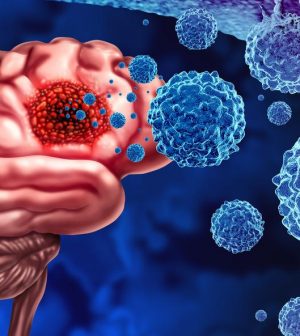
The brain is thought to be a sterile environment, free from germs.
But unexpected deposits of bacteria have been found inside brain tumors, apparently affecting how the cancers grow and behave, a new study says.
“This work opens a new dimension in our understanding of brain tumor biology,” senior researcher Dr. Jennifer Wargo, a professor of surgical oncology and genomic medicine at the University of Texas MD Anderson Cancer Center in Houston, said in a news release.
“By mapping how microbial elements influence the brain tumor microenvironment, we may be able to identify new therapeutic strategies to improve outcomes for patients facing these devastating diseases,” Wargo said.
For the new study, researchers analyzed 243 brain tissue samples from 221 patients. The samples included 168 from brain tumors and 75 from healthy brain tissue.
Using detailed imaging, genetic sequencing and bacterial culturing, researchers unveiled the first evidence of bacteria found within brain tumors, researchers said.
The bacteria were found inside both primary brain cancers as well as brain tumors that resulted from a cancer that started elsewhere in the body, results show.
Bacteria had previously been found in GI cancers like colon cancer, but there’s been debate about whether such germs are present in tumors found elsewhere in the body.
These bacteria appeared to be influencing the cancer’s behavior, potentially helping tumors grow and avoid detection by the immune system, researchers said.
The research team also found that bacterial strains inside brain tumors overlap with bacteria found in the gut and in the mouth. This could link oral health to a person’s risk of brain cancer.
“These findings highlight a previously unknown player in the brain tumor microenvironment — a new piece of the puzzle that may help explain brain tumor behavior,” lead researcher Dr. Golnaz Morad, a postdoctoral research fellow in surgical oncology at MD Anderson, said in a news release.
“Bacterial elements appear to interact with immune cells within the tumor in ways that could influence how tumors develop and respond to treatment,” Morad said.
The team is now working to better understand how bacteria might reach the brain and influence the development of brain tumors.
For example, they’re investigating whether gum disease could play a role in the spread of bacteria to the brain.
However, they warned that the current study couldn’t say whether the bacteria present in brain tumors cause any meaningful changes that would directly promote cancer growth.
The new study appears in the journal Nature Medicine.
More information
The American Cancer Society has more on brain tumors.
SOURCES: MD Anderson Cancer Center, news release, Nov. 14, 2025; Nature Medicine, journal, Nov. 14, 2025
Source: HealthDay
Copyright © 2026 HealthDay. All rights reserved.
Related
-
 Navigating Your Midlife Crisis: Embracing New Possibilities
A midlife crisis can open doors to personal growth...
- December 4, 2025
-
 Want A Happier Hospital? Hire More Nurses, Study Says
Adding even a few extra nurses can dramatically reduce...
- November 20, 2025
-
 Plasma Treatment Shows Promise For Menopause Symptoms Among Breast Cancer Survivors
Plasma infusions may help breast cancer survivors avoid genital...
- November 20, 2025
-
 Self-Hypnosis Can Thwart Hot Flashes
Self-hypnosis might help some women in menopause find relief...
- November 14, 2025






