
- How Blue Light Impacts Your Sleep Quality
- Comparing Whey and Plant-Based Protein: Which is Best?
- How Long Does Nicotine Remain in Your System?
- The Best Time of Day to Drink Bone Broth to Maximize Health Benefits
- 8 Ways to Increase Dopamine Naturally
- 7 Best Breads for Maintaining Stable Blood Sugar
- Gelatin vs. Collagen: Which is Best for Skin, Nails, and Joints?
- The Long-Term Effects of Daily Turmeric Supplements on Liver Health
- Could Your Grocery Store Meat Be Causing Recurring UTIs?
- Are You Making This Expensive Thermostat Error This Winter?
What You Need to Know About Stomach Cancer
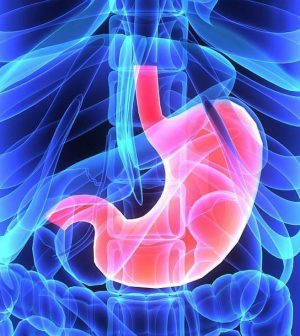
New treatment options are giving hope to patients with stomach cancer.
Also known as gastric cancer, the disease is the world’s sixth most common cancer with 1.09 million new cases in 2020, according to the World Health Organization.
It’s an abnormal growth of cells that can affect any part of the stomach, but typically forms in the main part.
“I tell patients who have been recently diagnosed with gastric cancer that there is hope,” said Dr. Mohamad Sonbol, a cancer specialist at the Mayo Clinic in Phoenix.
“We now have many more treatment options than before,” he said in a clinic news release.
When the cancer hasn’t spread, surgery is among them. It is the only curative approach for patients with localized or locally advanced stomach cancer. Other treatments, such as systemic therapy and radiation, increase the chances of a cure and lower the risk of the cancer returning.
Some immunotherapeutics are standard care for stomach cancer and some are in current studies.
Among the new options for treating stomach cancer that has spread to other parts of the body is a regimen that combines chemotherapy with nivolumab, an immunotherapeutic drug.
An option for patients with HER2-positive stomach cancer that has spread is fam-trastuzumab deruxtecan-nxki, which is administered by infusion.
Mayo Clinic describes chemotherapy as killing cells all over the body and immunotherapy as waking up the immune system to fight the cancer. While chemo works for a while and then stops, when immunotherapy works, it is usually for a longer time. Experts determine which regimen to choose based on different targets on the cancer cells.
Doctors typically diagnose the disease through endoscopy, in which the digestive tract is examined using a flexible tube with a light and camera attached to it. If it detects stomach cancer, they can use CT and PET scans to glean more information, according to Mayo Clinic specialists.
Unlike in East Asia, where stomach cancer is more common, screening for stomach cancer is not recommended for most Americans. It can, however, be used for those at higher risk. They include people who are obese, tobacco and alcohol users and those with a family history of cancer.
More information
The American Cancer Society has more on stomach cancer.
SOURCE: Mayo Clinic, news release, Nov. 17, 2021
Source: HealthDay
Copyright © 2026 HealthDay. All rights reserved.
Related
-
 Navigating Your Midlife Crisis: Embracing New Possibilities
A midlife crisis can open doors to personal growth...
- December 4, 2025
-
 Want A Happier Hospital? Hire More Nurses, Study Says
Adding even a few extra nurses can dramatically reduce...
- November 20, 2025
-
 Plasma Treatment Shows Promise For Menopause Symptoms Among Breast Cancer Survivors
Plasma infusions may help breast cancer survivors avoid genital...
- November 20, 2025
-
 Self-Hypnosis Can Thwart Hot Flashes
Self-hypnosis might help some women in menopause find relief...
- November 14, 2025






