
- How Blue Light Impacts Your Sleep Quality
- Comparing Whey and Plant-Based Protein: Which is Best?
- How Long Does Nicotine Remain in Your System?
- The Best Time of Day to Drink Bone Broth to Maximize Health Benefits
- 8 Ways to Increase Dopamine Naturally
- 7 Best Breads for Maintaining Stable Blood Sugar
- Gelatin vs. Collagen: Which is Best for Skin, Nails, and Joints?
- The Long-Term Effects of Daily Turmeric Supplements on Liver Health
- Could Your Grocery Store Meat Be Causing Recurring UTIs?
- Are You Making This Expensive Thermostat Error This Winter?
Smiling Adds Years, But Not in a Good Way, Study Finds
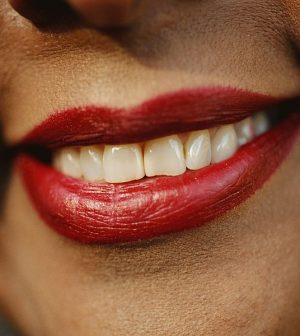
Want to look younger? Don’t crack a smile, a new study suggests.
Participants were shown pictures of people with smiling, neutral and surprised expressions. Compared to those wearing a poker face, the smiling people were judged two years older. Those with a surprised look were rated younger.
The explanation is quite simple: Smiling people look older because a grin forms wrinkles around the eyes, while a surprised expression smooths wrinkles, according to study co-author Melvyn Goodale.
However, the study participants had different recollections when asked after they were shown the photos.
“The striking thing was that when we asked participants afterwards about their perceptions, they erroneously recalled that they had identified smiling faces as the youngest ones,” Goodale said in a news release from the University of Western Ontario in Canada. He is director of its Brain and Mind Institute.
“They were completely blind to the fact they had ‘aged’ the happy-looking faces. Their perceptions and their beliefs were polar opposites,” Goodale said.
“It may seem counterintuitive, but the study shows that people can sincerely believe one thing and then behave in a completely different way,” he said.
The study was published recently in the journal Psychonomic Bulletin and Review.
More information
The American Academy of Dermatology has tips for anti-aging skin care.
Source: HealthDay
Copyright © 2026 HealthDay. All rights reserved.
Related
-
 Navigating Your Midlife Crisis: Embracing New Possibilities
A midlife crisis can open doors to personal growth...
- December 4, 2025
-
 Want A Happier Hospital? Hire More Nurses, Study Says
Adding even a few extra nurses can dramatically reduce...
- November 20, 2025
-
 Plasma Treatment Shows Promise For Menopause Symptoms Among Breast Cancer Survivors
Plasma infusions may help breast cancer survivors avoid genital...
- November 20, 2025
-
 Self-Hypnosis Can Thwart Hot Flashes
Self-hypnosis might help some women in menopause find relief...
- November 14, 2025






