- Navigating Your Midlife Crisis: Embracing New Possibilities
- City Raccoons Showing Signs of Domestication
- Mapping the Exposome: Science Broadens Focus to Environmental Disease Triggers
- One Week Less on Social Media Linked to Better Mental Health
- Your Brain Changes in Stages as You Age, Study Finds
- Some Suicide Victims Show No Typical Warning Signs, Study Finds
- ByHeart Formula Faces Lawsuits After Babies Sickened With Botulism
- Switch to Vegan Diet Could Cut Your Greenhouse Gas Emissions in Half
- Regular Bedtime Does Wonders for Blood Pressure
- Dining Alone Could Mean Worse Nutrition for Seniors
Plague May Have Infected Humans Earlier Than Thought
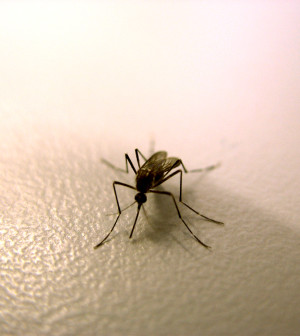
Plague infected humans thousands of years earlier than previously believed, a new study suggests.
Researchers analyzed DNA from the teeth of Bronze Age human remains in Europe and Asia and found signs of plague infections about 4,800 years ago. That is 3,300 years earlier than prior evidence.
But it was at least another thousand years before the plague-causing Yersinia pestis bacterium went through genetic changes that enabled it to spread via fleas and to avoid the host immune system, the new study contends.
The study was published Oct. 22 in the journal Cell.
“We found that the Y. pestis lineage originated and was widespread much earlier than previously thought, and we narrowed the time window as to when it developed,” senior author Eske Willerslev of the Center for GeoGenetics at the University of Copenhagen, Denmark, said in a journal news release.
“This study changes our view of when and how plaque influenced human populations and opens new avenues for studying the evolution of diseases,” Willerslev added.
The researchers plan to search for evidence of plague in other regions and time periods to learn more about the disease, which has caused devastating outbreaks throughout human history.
The investigators will also seek ancient DNA remains of other blood-borne bacteria and viruses.
“Our findings reveal that one can find ancient pathogenic microbes in ancient human material showing no obvious morphological signs of disease,” Willerslev said. “So plague is just one disease to look at, and one could explore all kinds of diseases like this in the future.”
More information
The U.S. Centers for Disease Control and Prevention has more about plague.
Source: HealthDay
Copyright © 2025 HealthDay. All rights reserved.
Related
-
 Navigating Your Midlife Crisis: Embracing New Possibilities
A midlife crisis can open doors to personal growth...
- December 4, 2025
-
 Want A Happier Hospital? Hire More Nurses, Study Says
Adding even a few extra nurses can dramatically reduce...
- November 20, 2025
-
 Plasma Treatment Shows Promise For Menopause Symptoms Among Breast Cancer Survivors
Plasma infusions may help breast cancer survivors avoid genital...
- November 20, 2025
-
 Self-Hypnosis Can Thwart Hot Flashes
Self-hypnosis might help some women in menopause find relief...
- November 14, 2025