
- How Blue Light Impacts Your Sleep Quality
- Comparing Whey and Plant-Based Protein: Which is Best?
- How Long Does Nicotine Remain in Your System?
- The Best Time of Day to Drink Bone Broth to Maximize Health Benefits
- 8 Ways to Increase Dopamine Naturally
- 7 Best Breads for Maintaining Stable Blood Sugar
- Gelatin vs. Collagen: Which is Best for Skin, Nails, and Joints?
- The Long-Term Effects of Daily Turmeric Supplements on Liver Health
- Could Your Grocery Store Meat Be Causing Recurring UTIs?
- Are You Making This Expensive Thermostat Error This Winter?
Scientists Discover Another Genetic Code

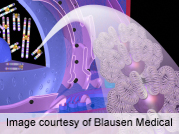
Another code within DNA has been discovered by scientists — a finding that the researchers say sheds light on how changes to DNA affect health.
Since the genetic code was first deciphered in the 1960s, scientists have believed it was used solely to write information about proteins. But this new study from University of Washington scientists found that genomes use the genetic code to write two separate languages.
One language describes how proteins are made, and the other helps direct genetic activity in cells. One language is written on top of the other, which is why this other language went undiscovered for so long, according to the report in the Dec. 13 issue of Science.
“For over 40 years, we have assumed that DNA changes affecting the genetic code solely impact how proteins are made,” team leader Dr. John Stamatoyannopoulos, an associate professor of genome sciences and of medicine, said in a university news release.
“Now we know that this basic assumption about reading the human genome missed half of the picture,” he said.
This other code may be where diseases can develop, when the more complicated job of regulating how genes are expressed in cells goes awry, the study authors suggested. The finding could have a significant impact on how scientists and doctors interpret a patient’s genetic code and lead to new ways to diagnose and treat health problems, the researchers said.
“The fact that the genetic code can simultaneously write two kinds of information means that many DNA changes that appear to alter protein sequences may actually cause disease by disrupting gene control programs or even both mechanisms simultaneously,” Stamatoyannopoulos explained in the news release.
More information
The U.S. National Human Genome Research Institute has more about genomics.
Source: HealthDay
Copyright © 2026 HealthDay. All rights reserved.
Related
-
 Navigating Your Midlife Crisis: Embracing New Possibilities
A midlife crisis can open doors to personal growth...
- December 4, 2025
-
 Want A Happier Hospital? Hire More Nurses, Study Says
Adding even a few extra nurses can dramatically reduce...
- November 20, 2025
-
 Plasma Treatment Shows Promise For Menopause Symptoms Among Breast Cancer Survivors
Plasma infusions may help breast cancer survivors avoid genital...
- November 20, 2025
-
 Self-Hypnosis Can Thwart Hot Flashes
Self-hypnosis might help some women in menopause find relief...
- November 14, 2025






