
- How Blue Light Impacts Your Sleep Quality
- Comparing Whey and Plant-Based Protein: Which is Best?
- How Long Does Nicotine Remain in Your System?
- The Best Time of Day to Drink Bone Broth to Maximize Health Benefits
- 8 Ways to Increase Dopamine Naturally
- 7 Best Breads for Maintaining Stable Blood Sugar
- Gelatin vs. Collagen: Which is Best for Skin, Nails, and Joints?
- The Long-Term Effects of Daily Turmeric Supplements on Liver Health
- Could Your Grocery Store Meat Be Causing Recurring UTIs?
- Are You Making This Expensive Thermostat Error This Winter?
Wireless ECG Speeds Up Heart Attack Treatments, Study Shows
A new wireless electrocardiogram (ECG) can cut the time it takes for heart attack patients to receive treatment, new research suggests.
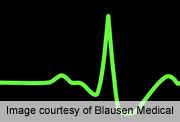
A study from Doha, Qatar, examined outcomes among 510 heart attack patients, and found a trans-satellite wireless 12-lead ECG cut the ambulance-to-angioplasty time by more than half an hour compared to standard treatments.
The research, by Dr. Abdurrazzak Gehani, chief cardiologist at the Heart Hospital in Doha, and colleagues was to be presented Tuesday at the American Heart Association meeting in Chicago. The data and conclusions of research presented at medical meetings should be viewed as preliminary until published in a peer-reviewed journal.
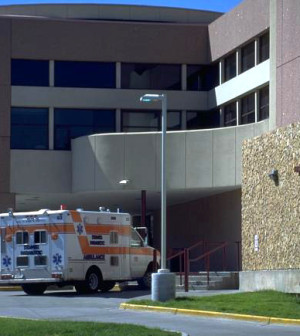
Ambulance crews used the ECG to take a patient’s heart readings, which were immediately transmitted via satellite to the hospital so that cardiologists could determine the best treatment method while the patient was on the way.
In the study, 55 percent of the patients got wireless ECG and were sent directly to the Heart Hospital in Doha, while 45 percent did not get the wireless ECG and were sent to other hospitals first before arriving at the Heart Hospital.
The time between arrival at the Heart Hospital and the start of heart artery-opening angioplasty was about 53 minutes for patients in the wireless ECG group and about 104 minutes for those in the other group, the study showed.
The delay from the start of heart attack symptoms to the start of angioplasty was 36 minutes less for patients in the wireless ECG group than for the other group. They also had a lower risk of death while in hospital (2.5 percent versus 3.5 percent) and shorter hospital stays (3.4 days versus 4.3 days), the findings showed.
More information
The U.S. National Heart, Lung, and Blood Institute has more on heart attack treatment.
Source: HealthDay
Copyright © 2026 HealthDay. All rights reserved.
Related
-
 Navigating Your Midlife Crisis: Embracing New Possibilities
A midlife crisis can open doors to personal growth...
- December 4, 2025
-
 Want A Happier Hospital? Hire More Nurses, Study Says
Adding even a few extra nurses can dramatically reduce...
- November 20, 2025
-
 Plasma Treatment Shows Promise For Menopause Symptoms Among Breast Cancer Survivors
Plasma infusions may help breast cancer survivors avoid genital...
- November 20, 2025
-
 Self-Hypnosis Can Thwart Hot Flashes
Self-hypnosis might help some women in menopause find relief...
- November 14, 2025






