
- How Blue Light Impacts Your Sleep Quality
- Comparing Whey and Plant-Based Protein: Which is Best?
- How Long Does Nicotine Remain in Your System?
- The Best Time of Day to Drink Bone Broth to Maximize Health Benefits
- 8 Ways to Increase Dopamine Naturally
- 7 Best Breads for Maintaining Stable Blood Sugar
- Gelatin vs. Collagen: Which is Best for Skin, Nails, and Joints?
- The Long-Term Effects of Daily Turmeric Supplements on Liver Health
- Could Your Grocery Store Meat Be Causing Recurring UTIs?
- Are You Making This Expensive Thermostat Error This Winter?
Safeguarding Your Heart During, After Hurricane Ida
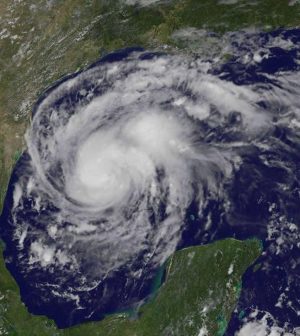
Along with other dangers, the aftermath of Hurricane Ida could pose significant heart health risks.
Stress and trauma from the storm that slammed into Louisiana, Mississippi, Alabama and other states could increase heart risk, and the impact may be more significant for heart disease and stroke patients, the American Heart Association (AHA) warns.
For example, it may be more difficult in the storm’s aftermath for patients to see a health care provider or get medications.
The AHA offered these tips:
- Write down any medical conditions, allergies, medications, doses and the time you take medications, as well as the name, address and phone number of your pharmacy.
- Place your medications and health information in a resealable plastic bag to help keep them dry.
- If your medication is lost, damaged by water or was left behind when you evacuated, look for open pharmacies and get a refill as quickly as possible.
- If you use a larger drug store or pharmacy chain, you may be able to arrange to have prescriptions filled in a different location for pickup.
- Some states allow pharmacists to make medically necessary exceptions on certain types of refills during an emergency.
- If you have diabetes and use insulin, the AHA offers a Patient Preparedness Plan, with a checklist of supplies and guidelines for handling your condition during a weather emergency.
More information
To learn more, visit the American Heart Association’s Disaster Resources Page.
SOURCE: American Heart Association, news release, Aug. 30, 2021
Source: HealthDay
Copyright © 2026 HealthDay. All rights reserved.
Related
-
 Navigating Your Midlife Crisis: Embracing New Possibilities
A midlife crisis can open doors to personal growth...
- December 4, 2025
-
 Want A Happier Hospital? Hire More Nurses, Study Says
Adding even a few extra nurses can dramatically reduce...
- November 20, 2025
-
 Plasma Treatment Shows Promise For Menopause Symptoms Among Breast Cancer Survivors
Plasma infusions may help breast cancer survivors avoid genital...
- November 20, 2025
-
 Self-Hypnosis Can Thwart Hot Flashes
Self-hypnosis might help some women in menopause find relief...
- November 14, 2025






