
- How Blue Light Impacts Your Sleep Quality
- Comparing Whey and Plant-Based Protein: Which is Best?
- How Long Does Nicotine Remain in Your System?
- The Best Time of Day to Drink Bone Broth to Maximize Health Benefits
- 8 Ways to Increase Dopamine Naturally
- 7 Best Breads for Maintaining Stable Blood Sugar
- Gelatin vs. Collagen: Which is Best for Skin, Nails, and Joints?
- The Long-Term Effects of Daily Turmeric Supplements on Liver Health
- Could Your Grocery Store Meat Be Causing Recurring UTIs?
- Are You Making This Expensive Thermostat Error This Winter?
Shared Family Activities May Boost Preschoolers’ Emotional Health
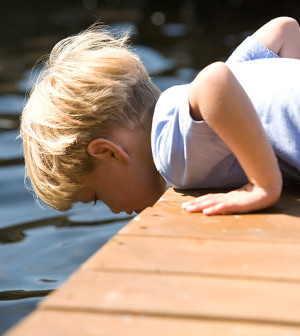
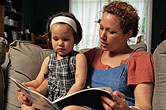
Taking part in family activities on a regular basis benefits the social and emotional health of young children, a new study finds.
And the more of these shared family routines, the better.
“Social-emotional health” is defined as being able to understand emotions, express empathy, have self-control and form good relationships with other children and adults.
Researchers looked at parent-provided data about 8,550 preschool kids in the United States to assess how often the children did things with their families, such as eating dinner, singing, reading books, playing and telling stories.
Fifty-seven percent of children participated in three or more regular family activities and more than 16 percent of the children had high social-emotional health.
The researchers also found that children who took part in five regular family activities were more than twice as likely to have high social-emotional health. Moreover, for each additional activity that parents and children do together, the child is nearly 50 percent more likely to have high social-emotional health.
The study was published in the February/March issue of the Journal of Developmental and Behavioral Pediatrics.
“High social-emotional health has been associated with greater academic performance and improved behavior in the school environment,” study leader Dr. Elisa Muniz, a developmental-behavioral pediatrician at Bronx-Lebanon Hospital Center, said in a news release from the Children’s Hospital at Montefiore (CHAM) in New York City.
“Our findings suggest that parents with preschool-aged children who regularly practice family routines together have greater social-emotional health and so we encourage families to sing, read, play and eat together on a regular basis,” said Muniz, who led the research while a fellow at the Children’s Evaluation and Rehabilitation Center at Albert Einstein College of Medicine of Yeshiva University, affiliated with CHAM.
Participating in regular family activities can give children a sense of security and belonging, the researchers explained.
More information
The U.S. National Library of Medicine has more about parenting.
Source: HealthDay
Copyright © 2026 HealthDay. All rights reserved.
Related
-
 Navigating Your Midlife Crisis: Embracing New Possibilities
A midlife crisis can open doors to personal growth...
- December 4, 2025
-
 Want A Happier Hospital? Hire More Nurses, Study Says
Adding even a few extra nurses can dramatically reduce...
- November 20, 2025
-
 Plasma Treatment Shows Promise For Menopause Symptoms Among Breast Cancer Survivors
Plasma infusions may help breast cancer survivors avoid genital...
- November 20, 2025
-
 Self-Hypnosis Can Thwart Hot Flashes
Self-hypnosis might help some women in menopause find relief...
- November 14, 2025