
- How Blue Light Impacts Your Sleep Quality
- Comparing Whey and Plant-Based Protein: Which is Best?
- How Long Does Nicotine Remain in Your System?
- The Best Time of Day to Drink Bone Broth to Maximize Health Benefits
- 8 Ways to Increase Dopamine Naturally
- 7 Best Breads for Maintaining Stable Blood Sugar
- Gelatin vs. Collagen: Which is Best for Skin, Nails, and Joints?
- The Long-Term Effects of Daily Turmeric Supplements on Liver Health
- Could Your Grocery Store Meat Be Causing Recurring UTIs?
- Are You Making This Expensive Thermostat Error This Winter?
Could Regular Exercise Cure Your Insomnia? New Research Says Yes
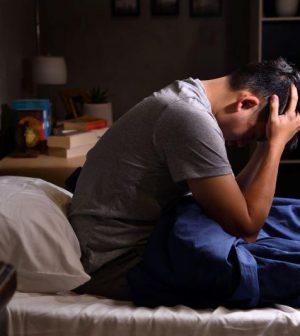
Folks who consistently work out two to three times a week are less likely to suffer from insomnia, a new study says.
That sort of long-term commitment to exercise also helps people get the recommended amount of sleep each night, according to findings published March 26 in the journal BMJ Open.
The paper “indicates strongly that consistency in [physical activity] might be an important factor in optimizing sleep duration and reducing the symptoms of insomnia,” concluded the research team led by Icelandic psychologists Erla Bjornsdottir and Elin Helga Thorarinsdottir.
For the study, researchers tracked the exercise habits and sleep quality of nearly 4,400 middle-aged adults from 21 hospitals in nine European countries.
Participants were specifically asked how often they exercise to the point that they become out of breath or sweaty.
Researchers found that people who persistently worked out at least a few times a week — totaling at least one hour of exercise weekly — were:
-
42% less likely to find it difficult to fall asleep
-
22% less likely to suffer any symptoms of insomnia
-
40% less likely to suffer more than one insomnia symptom
Symptoms of insomnia include taking a long time to go to sleep, waking in the night and feeling excessively sleepy during the day.
People who consistently exercised also were 55% more likely to get the normal, recommended amount of shut-eye, between 6 and 9 hours a night, researchers found.
They were 29% less likely to have short sleep less than 6 hours, and 52% less likely to have long sleep of 9 hours or more, results show.
In addition, folks who became active during the course of the decade-long study were 21% more likely to become normal sleepers than those who remained inactive.
These results jibe with other studies that have linked regular exercise with sound sleep, researchers said in a journal news release.
People who work out not only make their bodies tired enough to get good sleep, but they also are more likely to follow a healthy lifestyle, the researchers noted.
More information
Johns Hopkins Medicine has more on exercising for better sleep.
SOURCE: BMJ, news release, March 26, 2024
Source: HealthDay
Copyright © 2026 HealthDay. All rights reserved.
Related
-
 Navigating Your Midlife Crisis: Embracing New Possibilities
A midlife crisis can open doors to personal growth...
- December 4, 2025
-
 Want A Happier Hospital? Hire More Nurses, Study Says
Adding even a few extra nurses can dramatically reduce...
- November 20, 2025
-
 Plasma Treatment Shows Promise For Menopause Symptoms Among Breast Cancer Survivors
Plasma infusions may help breast cancer survivors avoid genital...
- November 20, 2025
-
 Self-Hypnosis Can Thwart Hot Flashes
Self-hypnosis might help some women in menopause find relief...
- November 14, 2025






