
- How Blue Light Impacts Your Sleep Quality
- Comparing Whey and Plant-Based Protein: Which is Best?
- How Long Does Nicotine Remain in Your System?
- The Best Time of Day to Drink Bone Broth to Maximize Health Benefits
- 8 Ways to Increase Dopamine Naturally
- 7 Best Breads for Maintaining Stable Blood Sugar
- Gelatin vs. Collagen: Which is Best for Skin, Nails, and Joints?
- The Long-Term Effects of Daily Turmeric Supplements on Liver Health
- Could Your Grocery Store Meat Be Causing Recurring UTIs?
- Are You Making This Expensive Thermostat Error This Winter?
7 Best Breads for Maintaining Stable Blood Sugar
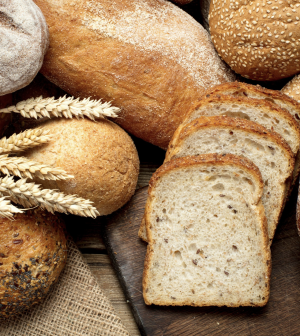
Bread is often among the first items people cut from their diet when managing blood sugar becomes a concern, but that’s not necessarily required. What truly matters for blood sugar control and overall wellness is which types of bread you choose, their preparation methods, and what you pair them with.
1. Sprouted Grain Bread
Sprouted grain bread uses whole grains that have started sprouting—a process that converts some starch into more digestible compounds. This transformation generally produces a lower glycemic response (smaller blood sugar spike) than conventional white bread or even standard whole wheat varieties.
These breads also deliver increased fiber, protein, and certain vitamins and minerals, which help decelerate digestion and support more consistent blood sugar levels. Research indicates they may possess anti-diabetic properties as well.
2. 100% Whole Wheat Bread
“Whole wheat” breads vary significantly in quality. For optimal blood sugar management, select 100% whole grain bread containing intact or minimally processed grains—like visible oats, barley, or wheat berries. These whole grains require more time to digest, causing a more gradual glucose (sugar) release into your bloodstream.
3. Sourdough Bread
Authentic sourdough bread undergoes slow fermentation using natural bacteria and wild yeast. This fermentation process breaks down some carbohydrates and may enhance insulin sensitivity (your body’s ability to respond to blood sugar) while decelerating glucose absorption (reducing blood sugar spikes). Multiple studies indicate that sourdough triggers a smaller blood sugar elevation than regular white bread.
4. Rye Bread
Rye bread has a denser texture and generally contains more soluble fiber (fiber that dissolves in water) than wheat bread, which slows digestion and extends satiety. Compounds found in rye may additionally improve post-meal insulin response. Opt for 100% rye or dark rye breads instead of light rye varieties, which often still include refined flour.
5. Seeded Multigrain Bread
Seeded multigrain breads blend whole grains with seeds such as flax, chia, sunflower, and pumpkin. These seeds contribute healthy fats, fiber, and protein—all of which decelerate your body’s carbohydrate absorption. This combination produces a more balanced blood sugar response compared to refined breads.
6. High-Protein or Grain-Free Bread
Breads crafted from almond flour, coconut flour, chickpea flour, or enhanced with pea or soy protein offer fewer digestible carbohydrates per slice. They frequently boast elevated protein and fiber levels, which prevent rapid blood sugar spikes and prolong feelings of fullness. These options are also naturally suitable for individuals with Celiac disease.
7. Oat or Barley Bread
Oats and barley contain abundant beta-glucans—a soluble fiber type that creates a gel in your digestive tract and slows sugar absorption into the bloodstream. This characteristic makes breads containing genuine oats or barley especially beneficial for people working to stabilize their blood glucose levels.
Decoding Bread Labels for Blood Sugar Management
Marketing language can be deceptive, so examining the nutrition facts and ingredient list helps identify the healthiest breads for blood sugar control. Keep these guidelines in mind:
- Check the fiber first, targeting at least 3-5 grams per slice.
- Look at the first ingredient, which should specify 100% whole grain—such as oats, whole rye, sprouted grain, or 100% whole wheat.
- Scan for added sugars, which should appear near the ingredient list’s end (indicating minimal amounts).
- Choose breads with 5 grams of protein or more per slice.
- Look at the serving size, since some breads display nutrition facts for one slice while others show two slices.
Breads incorporating whole grains, nuts, seeds, and legumes represent more blood sugar-friendly selections. Generally, the optimal choice features the highest fiber and protein content with minimal added sugar.
Related
-
 Navigating Your Midlife Crisis: Embracing New Possibilities
A midlife crisis can open doors to personal growth...
- December 4, 2025
-
 Want A Happier Hospital? Hire More Nurses, Study Says
Adding even a few extra nurses can dramatically reduce...
- November 20, 2025
-
 Plasma Treatment Shows Promise For Menopause Symptoms Among Breast Cancer Survivors
Plasma infusions may help breast cancer survivors avoid genital...
- November 20, 2025
-
 Self-Hypnosis Can Thwart Hot Flashes
Self-hypnosis might help some women in menopause find relief...
- November 14, 2025






