
- How Blue Light Impacts Your Sleep Quality
- Comparing Whey and Plant-Based Protein: Which is Best?
- How Long Does Nicotine Remain in Your System?
- The Best Time of Day to Drink Bone Broth to Maximize Health Benefits
- 8 Ways to Increase Dopamine Naturally
- 7 Best Breads for Maintaining Stable Blood Sugar
- Gelatin vs. Collagen: Which is Best for Skin, Nails, and Joints?
- The Long-Term Effects of Daily Turmeric Supplements on Liver Health
- Could Your Grocery Store Meat Be Causing Recurring UTIs?
- Are You Making This Expensive Thermostat Error This Winter?
Mouse Study Points to Potential Weight-Loss Agent
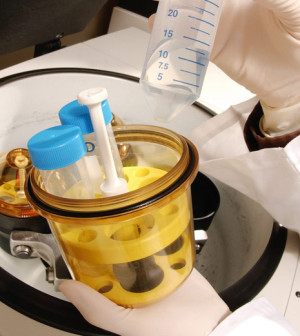

A molecule found in certain tree leaves helped female mice avoid weight gain, a new study claims.
The molecule is found in the leaves of several types of trees in Central and South America. It binds to a receptor in muscle cells and speeds up energy metabolism in female mice. This allowed the female mice to eat high-fat foods without gaining weight or accumulating fat, researchers found.
However, it’s important to note that findings from animal studies don’t always translate to humans.
Male mice didn’t get the same benefit from the molecule that females did, but it’s not clear why. Sex-specific hormones may be a factor, the researchers suggested.
The different responses between female and male mice highlight the need to include both sexes when developing drugs for obesity and other conditions, the researchers said.
The findings were published online March 5 in the journal Chemistry & Biology.
The current research only included mice, but “an equivalent diet pill in humans would allow people to maintain a healthy weight, despite a high-fat diet,” senior study author Keqiang Ye, from the Emory University School of Medicine in Atlanta, suggested in a journal news release.
“The pill would burn calories without affecting appetite,” Ye added.
More information
The U.S. Centers for Disease Control and Prevention explains how to prevent weight gain.
Source: HealthDay
Copyright © 2026 HealthDay. All rights reserved.
Related
-
 Navigating Your Midlife Crisis: Embracing New Possibilities
A midlife crisis can open doors to personal growth...
- December 4, 2025
-
 Want A Happier Hospital? Hire More Nurses, Study Says
Adding even a few extra nurses can dramatically reduce...
- November 20, 2025
-
 Plasma Treatment Shows Promise For Menopause Symptoms Among Breast Cancer Survivors
Plasma infusions may help breast cancer survivors avoid genital...
- November 20, 2025
-
 Self-Hypnosis Can Thwart Hot Flashes
Self-hypnosis might help some women in menopause find relief...
- November 14, 2025






