
- How Blue Light Impacts Your Sleep Quality
- Comparing Whey and Plant-Based Protein: Which is Best?
- How Long Does Nicotine Remain in Your System?
- The Best Time of Day to Drink Bone Broth to Maximize Health Benefits
- 8 Ways to Increase Dopamine Naturally
- 7 Best Breads for Maintaining Stable Blood Sugar
- Gelatin vs. Collagen: Which is Best for Skin, Nails, and Joints?
- The Long-Term Effects of Daily Turmeric Supplements on Liver Health
- Could Your Grocery Store Meat Be Causing Recurring UTIs?
- Are You Making This Expensive Thermostat Error This Winter?
Kids Snooze Soundly In Happy Families
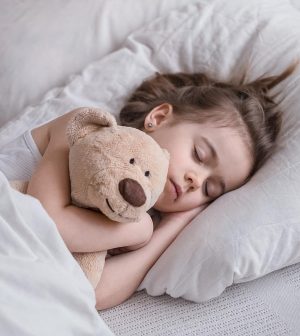
A happy family life can help tweens get better sleep, a new study says.
Kids are more likely to sleep longer if they have strong family relationships with highly engaged parents, according to research scheduled for presentation at a meeting of the American Academy of Sleep Medicine (AASM).
Eating dinner with family and participating in neighborhood activities also were linked to a longer sleep duration, researchers found.
“It was surprising to find that multiple social connectedness variables were predictors of sufficient sleep duration,” lead investigator Marie Gombert-Labedens, a postdoctoral researcher at SRI International in Menlo Park, Calif., said in a news release.
The AASM recommends that 6- to 12-year-olds get even more sleep than adults — 9 to 12 hours — for their best health and development.
For this study, researchers analyzed data from nearly 5,000 kids between 9 and 11 years of age taking part in a long-term study of brain development. The kids’ caregivers completed at least two surveys in May and August 2020, during the COVID-19 pandemic.
The pandemic has been shown to have affected kids’ sleep patterns, and researchers wanted to see if their social connections might have had any protective effect.
The highest rates of sufficient sleep were associated with high parental engagement (51%); eating together (48%); and discussing plans for the next day (48%), results show.
On the other hand, kids who got the least sleep were more likely to use screens to socialize (40%) and have little interaction with their parents (42%).
“These results support the importance of social networks in sleep health and may inform future campaigns, ultimately helping to improve the health and well-being of children,” Gombert-Labedens said.
She is scheduled to present her findings Wednesday at AASM’s annual meeting in Seattle.
Findings presented at medical meetings should be considered preliminary until published in a peer-reviewed journal.
More information
The Sleep Foundation has more on sleep strategies for children.
SOURCE: American Academy of Sleep Medicine, news release, June 3, 2025
Source: HealthDay
Copyright © 2026 HealthDay. All rights reserved.
Related
-
 Navigating Your Midlife Crisis: Embracing New Possibilities
A midlife crisis can open doors to personal growth...
- December 4, 2025
-
 Want A Happier Hospital? Hire More Nurses, Study Says
Adding even a few extra nurses can dramatically reduce...
- November 20, 2025
-
 Plasma Treatment Shows Promise For Menopause Symptoms Among Breast Cancer Survivors
Plasma infusions may help breast cancer survivors avoid genital...
- November 20, 2025
-
 Self-Hypnosis Can Thwart Hot Flashes
Self-hypnosis might help some women in menopause find relief...
- November 14, 2025






