
- How Blue Light Impacts Your Sleep Quality
- Comparing Whey and Plant-Based Protein: Which is Best?
- How Long Does Nicotine Remain in Your System?
- The Best Time of Day to Drink Bone Broth to Maximize Health Benefits
- 8 Ways to Increase Dopamine Naturally
- 7 Best Breads for Maintaining Stable Blood Sugar
- Gelatin vs. Collagen: Which is Best for Skin, Nails, and Joints?
- The Long-Term Effects of Daily Turmeric Supplements on Liver Health
- Could Your Grocery Store Meat Be Causing Recurring UTIs?
- Are You Making This Expensive Thermostat Error This Winter?
Rare Flesh-Eating Bacteria Claims Fifth Life in Louisiana
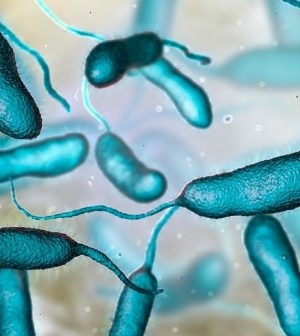
Louisiana health officials have confirmed a fifth death this year linked to Vibrio vulnificus, a rare and dangerous flesh-eating bacteria found in warm coastal waters.
The bacteria is most common between May and October, according to the U.S. Centers for Disease Control and Prevention (CDC). It can lead to severe illness, including necrotizing fasciitis, a fast-spreading infection that destroys tissue.
About 1 in 5 people with this infection die.
It is not yet clear how the latest victim became infected. Two of the state’s deaths earlier this year were tied to eating raw oysters, officials noted. People can also become sick if contaminated seawater enters an open wound.
“It’s not just a Gulf Coast phenomenon any longer,” Dr. Fred Lopez, an infectious disease specialist at LSU Health, told CBS News.
“Global warming is moving infections with Vibrio vulnificus up the East Coast,” he added.
Cases are on the rise across the region. Louisiana normally reports about seven infections and one death each year. In 2025, the state has already confirmed 26 cases.
Neighboring states have also reported infections: 10 in Alabama, three in Mississippi (one fatal) and 13 in Florida, where eight people died. Cases have even been detected as far north as Massachusetts.
Health officials urge people to avoid raw or undercooked seafood and to keep wounds away from warm coastal waters.
More information
The Cleveland Clinic has more on Vibrio vulnificus.
SOURCE: CBS News, Sept. 19, 2025
Source: HealthDay
Copyright © 2026 HealthDay. All rights reserved.
Related
-
 Navigating Your Midlife Crisis: Embracing New Possibilities
A midlife crisis can open doors to personal growth...
- December 4, 2025
-
 Want A Happier Hospital? Hire More Nurses, Study Says
Adding even a few extra nurses can dramatically reduce...
- November 20, 2025
-
 Plasma Treatment Shows Promise For Menopause Symptoms Among Breast Cancer Survivors
Plasma infusions may help breast cancer survivors avoid genital...
- November 20, 2025
-
 Self-Hypnosis Can Thwart Hot Flashes
Self-hypnosis might help some women in menopause find relief...
- November 14, 2025






