
- How Blue Light Impacts Your Sleep Quality
- Comparing Whey and Plant-Based Protein: Which is Best?
- How Long Does Nicotine Remain in Your System?
- The Best Time of Day to Drink Bone Broth to Maximize Health Benefits
- 8 Ways to Increase Dopamine Naturally
- 7 Best Breads for Maintaining Stable Blood Sugar
- Gelatin vs. Collagen: Which is Best for Skin, Nails, and Joints?
- The Long-Term Effects of Daily Turmeric Supplements on Liver Health
- Could Your Grocery Store Meat Be Causing Recurring UTIs?
- Are You Making This Expensive Thermostat Error This Winter?
Cluster Headaches May Be Tougher for Women
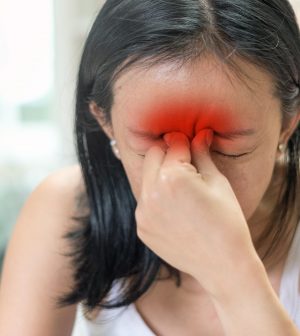
Cluster headaches are more common in men, but may be more severe for women, according to a new study.
Researchers surveyed almost 900 patients diagnosed with cluster headache — short-lasting but extremely painful headaches that can occur many days or even weeks in a row. The survey asked about symptoms, medications, headache triggers and lifestyle habits.
“Cluster headache is still often misdiagnosed in women, perhaps because some aspects can be similar to migraine,” said study co-author Andrea Belin, a neuroscientist with the Karolinska Institute in Stockholm, Sweden.
“It is important for physicians to be aware of how the disorder manifests differently in men and women so the most effective treatment can be given as fast as possible,” Belin said in a Neurology news release. The findings were published in the journal Dec. 21.
Cluster headaches last from 15 minutes to three hours. People with chronic cluster headaches — a more severe form — experience recurring cluster headache attacks for one year or more without interruption, or with short intermissions with no symptoms that last less than three months.
Looking at the survey results, researchers found about 18% of the women were diagnosed with chronic cluster headache compared to 9% of men.
Women also reported that attacks lasted longer. About 8% of women said their headache bouts lasted an average of four to seven months, compared to 5% of men. About 26% of women said bouts lasted an average of less than one month compared to 30% of men.
The study also found that women were more likely than men — 74% vs. 63% — to report that their attacks occurred at various times throughout the day. Women were also twice as likely to have a family member with a history of cluster headache — 15% compared to 7%.
“While the ratio of men to women with cluster headache has been shifting over the years, it is still considered mainly a disorder of men, making it more difficult for women with milder symptoms to be diagnosed with cluster headache than men,” Belin said. “It’s possible this could contribute to the higher rate of chronic cluster headache in women.”
Participants self-reported their experiences, and memory isn’t always accurate, which is a study limitation.
More information
The U.S. National Library of Medicine has more on cluster headache.
SOURCE: Neurology, news release, Dec. 21, 2022
Source: HealthDay
Copyright © 2026 HealthDay. All rights reserved.
Related
-
 Navigating Your Midlife Crisis: Embracing New Possibilities
A midlife crisis can open doors to personal growth...
- December 4, 2025
-
 Want A Happier Hospital? Hire More Nurses, Study Says
Adding even a few extra nurses can dramatically reduce...
- November 20, 2025
-
 Plasma Treatment Shows Promise For Menopause Symptoms Among Breast Cancer Survivors
Plasma infusions may help breast cancer survivors avoid genital...
- November 20, 2025
-
 Self-Hypnosis Can Thwart Hot Flashes
Self-hypnosis might help some women in menopause find relief...
- November 14, 2025






