
- How Blue Light Impacts Your Sleep Quality
- Comparing Whey and Plant-Based Protein: Which is Best?
- How Long Does Nicotine Remain in Your System?
- The Best Time of Day to Drink Bone Broth to Maximize Health Benefits
- 8 Ways to Increase Dopamine Naturally
- 7 Best Breads for Maintaining Stable Blood Sugar
- Gelatin vs. Collagen: Which is Best for Skin, Nails, and Joints?
- The Long-Term Effects of Daily Turmeric Supplements on Liver Health
- Could Your Grocery Store Meat Be Causing Recurring UTIs?
- Are You Making This Expensive Thermostat Error This Winter?
When Your Medications Are the News
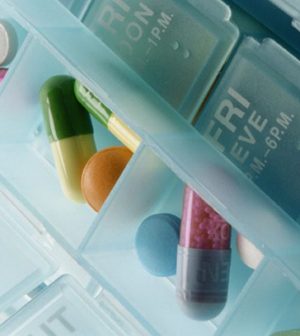
Would you stop taking a medication if you heard a negative news story about it?
Sticking with a prescription drug regimen, or “medication adherence,” is already a challenge for many patients, with not taking medications as prescribed being a key reason people struggle to control chronic conditions. Adding to the problem, according to a Danish study, is that negative reports in the media can further erode adherence, especially with new prescriptions.
The study looked at one of the most commonly prescribed drugs, statins, which are designed to lower cholesterol and prevent heart disease. It showed that for every negative news story about statins, there was an increased likelihood of people new to the drugs stopping them. That’s particularly dangerous, because people who stop taking their statins have a higher risk of heart disease and death than patients who stay on their medication, according to the research.
There’s no doubt that headlines about drugs can be confusing and even overwhelming. There were more than 1,900 stories about statins alone during the 15 years of the study, both positive and negative. And there have been even more since then, including the value of using statins to get LDL (“bad”) cholesterol down below the guideline of 70. This shows that it’s important not to overreact to any one piece of news.
If you’re concerned about any drug that you’re taking, whether because of a news report or a challenging side effect, talk to your doctor before stopping any medication on your own. Together, you can evaluate both its pros and cons, and possible alternatives.
More information
Harvard Health has tips on medication concerns.
Source: HealthDay
Copyright © 2026 HealthDay. All rights reserved.
Related
-
 Navigating Your Midlife Crisis: Embracing New Possibilities
A midlife crisis can open doors to personal growth...
- December 4, 2025
-
 Want A Happier Hospital? Hire More Nurses, Study Says
Adding even a few extra nurses can dramatically reduce...
- November 20, 2025
-
 Plasma Treatment Shows Promise For Menopause Symptoms Among Breast Cancer Survivors
Plasma infusions may help breast cancer survivors avoid genital...
- November 20, 2025
-
 Self-Hypnosis Can Thwart Hot Flashes
Self-hypnosis might help some women in menopause find relief...
- November 14, 2025






