
- How Blue Light Impacts Your Sleep Quality
- Comparing Whey and Plant-Based Protein: Which is Best?
- How Long Does Nicotine Remain in Your System?
- The Best Time of Day to Drink Bone Broth to Maximize Health Benefits
- 8 Ways to Increase Dopamine Naturally
- 7 Best Breads for Maintaining Stable Blood Sugar
- Gelatin vs. Collagen: Which is Best for Skin, Nails, and Joints?
- The Long-Term Effects of Daily Turmeric Supplements on Liver Health
- Could Your Grocery Store Meat Be Causing Recurring UTIs?
- Are You Making This Expensive Thermostat Error This Winter?
During Coronavirus Pandemic, Don’t Ignore Symptoms of Heart Attack, Stroke
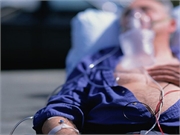
Fewer heart attack and stroke patients are seeking medical care since the coronavirus pandemic began and doctors are wondering why.
It’s possible that during the pandemic, patients are ignoring symptoms that would otherwise worry them, doctors from Cedars-Sinai in Los Angeles suggest.
While investigators are trying to figure out what’s happening, Dr. Patrick Lyden, a professor of neurology at Cedars-Sinai, wants people to know the signs of a stroke.
Signs include the sudden numbness on one side of the face or body, slurred speech or the inability to walk in a straight line. He urges people to remember the acronym BE FAST:
- B — (sudden loss of) balance
- E — eyes (vision loss)
- F — face drooping
- A — arm weakness
- S — speech difficulty
- T — time to call 911
Neurologists say “time is brain,” so the sooner patients get care, the earlier they can be treated and prevent long-term brain damage.
“If you’re having a stroke, you still need to come in, we are still here for you,” Lyden said in a Cedars-Sinai news release. “Time is still brain, and we still have great treatments. We can cure stroke. And we’re here to keep doing that.”
According to Dr. Michelle Kittleson, a cardiologist at Cedars-Sinai, symptoms of a heart attack include chest discomfort, shortness of breath, palpitations, lightheadedness and fainting spells.
“If you’re feeling these symptoms and you’re not sure whether to go to the ER and risk being exposed to infection versus waiting it out at home, call your doctor,” Kittleson said. “As physicians, we have a lot of great experience in teasing out the details of a patient’s symptoms to triage whether the symptom is dangerous or not.”
More information
For more on symptoms of heart attack and stroke, head to the American Heart Association.
Source: HealthDay
Copyright © 2026 HealthDay. All rights reserved.
Related
-
 Navigating Your Midlife Crisis: Embracing New Possibilities
A midlife crisis can open doors to personal growth...
- December 4, 2025
-
 Want A Happier Hospital? Hire More Nurses, Study Says
Adding even a few extra nurses can dramatically reduce...
- November 20, 2025
-
 Plasma Treatment Shows Promise For Menopause Symptoms Among Breast Cancer Survivors
Plasma infusions may help breast cancer survivors avoid genital...
- November 20, 2025
-
 Self-Hypnosis Can Thwart Hot Flashes
Self-hypnosis might help some women in menopause find relief...
- November 14, 2025






