
- How Blue Light Impacts Your Sleep Quality
- Comparing Whey and Plant-Based Protein: Which is Best?
- How Long Does Nicotine Remain in Your System?
- The Best Time of Day to Drink Bone Broth to Maximize Health Benefits
- 8 Ways to Increase Dopamine Naturally
- 7 Best Breads for Maintaining Stable Blood Sugar
- Gelatin vs. Collagen: Which is Best for Skin, Nails, and Joints?
- The Long-Term Effects of Daily Turmeric Supplements on Liver Health
- Could Your Grocery Store Meat Be Causing Recurring UTIs?
- Are You Making This Expensive Thermostat Error This Winter?
Pouch in Heart May Trigger Unexplained Strokes: Study

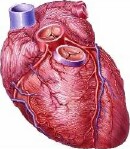
A pouch-like structure in the heart may be the source of some strokes that have no other known cause, a new study suggests.
This pouch in the heart’s left atrial chamber — called a left atrial septal pouch — was first discovered in 2010 by cardiologists at the University of California, Irvine.
“The cul-de-sac nature of this heart pouch may promote stagnation of the blood, forming clots that can travel into the brain and cause a stroke,” Dr. Mark Fisher, a professor of neurology and pathology and laboratory medicine, said in a UC Irvine news release.
The researchers looked at 75 stroke patients to find out if the pouch could be a source of stroke-causing blood clots.
Of the 23 patients who had a stroke of undetermined origin, 30 percent had a left atrial septal pouch, compared with only 10 percent of the 52 patients whose cause of stroke could be pinpointed.
“This finding points to a potentially important cause of strokes. The presence of this pouch could change how neurologists treat these patients and lead to new therapeutic strategies for preventing strokes,” Fisher explained.
While the researchers found an association between the pouch and unexplained strokes, it did not prove a cause-and-effect link.
The study was published recently in the journal Frontiers in Neurology.
About 80 percent of the more than 700,000 strokes that occur in the United States each year are caused by blood clots blocking brain arteries. In up to one-third of these cases, the source of the clot can’t be pinpointed, the researchers said.
More information
The U.S. National Heart, Lung, and Blood Institute has more about stroke.
Source: HealthDay
Copyright © 2026 HealthDay. All rights reserved.
Related
-
 Navigating Your Midlife Crisis: Embracing New Possibilities
A midlife crisis can open doors to personal growth...
- December 4, 2025
-
 Want A Happier Hospital? Hire More Nurses, Study Says
Adding even a few extra nurses can dramatically reduce...
- November 20, 2025
-
 Plasma Treatment Shows Promise For Menopause Symptoms Among Breast Cancer Survivors
Plasma infusions may help breast cancer survivors avoid genital...
- November 20, 2025
-
 Self-Hypnosis Can Thwart Hot Flashes
Self-hypnosis might help some women in menopause find relief...
- November 14, 2025