
- How Blue Light Impacts Your Sleep Quality
- Comparing Whey and Plant-Based Protein: Which is Best?
- How Long Does Nicotine Remain in Your System?
- The Best Time of Day to Drink Bone Broth to Maximize Health Benefits
- 8 Ways to Increase Dopamine Naturally
- 7 Best Breads for Maintaining Stable Blood Sugar
- Gelatin vs. Collagen: Which is Best for Skin, Nails, and Joints?
- The Long-Term Effects of Daily Turmeric Supplements on Liver Health
- Could Your Grocery Store Meat Be Causing Recurring UTIs?
- Are You Making This Expensive Thermostat Error This Winter?
When Will Kids Get the COVID Vaccines?
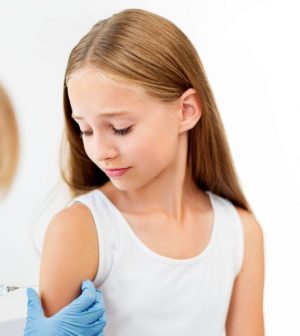
For parents with questions about COVID-19 vaccines and children, Johns Hopkins Medicine experts offer answers.
While vaccinations for adults are underway in the United States, clinical trials for the first U.S. Food and Drug Administration-authorized COVID-19 vaccines haven’t yet been completed for children and teens younger than 16.
Before that age group can receive a vaccine, the FDA and U.S. Centers for Disease Control and Prevention must accept clinical trial results showing the vaccines are safe and effective in youngsters, explained Dr. Aaron Milstone, a professor of pediatrics at Hopkins’ School of Medicine, and Dr. Kawsar Talaat, assistant professor at the Bloomberg School of Public Health, in Baltimore.
At this time, Pfizer’s COVID-19 vaccine has FDA approval for use in people 16 and older, while children aged 12 to 15 have been enrolled in clinical trials of the vaccine.
The Moderna vaccine has FDA approval for use in people 18 and older, while children aged 12 to 17 are being enrolled in trials of the vaccine.
COVID-19 vaccines for children older than 12 years may be authorized by late spring or early summer, but it may be late 2021 or 2022 before vaccines are authorized for those younger than 12, the doctors said.
When children can actually get vaccinated will depend on the vaccine supply, the experts noted in a Hopkins news release. Currently, vaccines are being distributed to groups of people based on priority.
Until youngsters can get vaccinated, parents should protect their children from COVID-19 by continuing to practice prevention measures, such as wearing face masks, maintaining safe physical distance from others and by practicing appropriate hand hygiene, Milstone and Talaat advised.
More information
The American Academy of Pediatrics has more on COVID-19.
SOURCE: Johns Hopkins Medicine, news release, Feb. 9, 2021
Source: HealthDay
Copyright © 2026 HealthDay. All rights reserved.
Related
-
 Navigating Your Midlife Crisis: Embracing New Possibilities
A midlife crisis can open doors to personal growth...
- December 4, 2025
-
 Want A Happier Hospital? Hire More Nurses, Study Says
Adding even a few extra nurses can dramatically reduce...
- November 20, 2025
-
 Plasma Treatment Shows Promise For Menopause Symptoms Among Breast Cancer Survivors
Plasma infusions may help breast cancer survivors avoid genital...
- November 20, 2025
-
 Self-Hypnosis Can Thwart Hot Flashes
Self-hypnosis might help some women in menopause find relief...
- November 14, 2025






