
- How Blue Light Impacts Your Sleep Quality
- Comparing Whey and Plant-Based Protein: Which is Best?
- How Long Does Nicotine Remain in Your System?
- The Best Time of Day to Drink Bone Broth to Maximize Health Benefits
- 8 Ways to Increase Dopamine Naturally
- 7 Best Breads for Maintaining Stable Blood Sugar
- Gelatin vs. Collagen: Which is Best for Skin, Nails, and Joints?
- The Long-Term Effects of Daily Turmeric Supplements on Liver Health
- Could Your Grocery Store Meat Be Causing Recurring UTIs?
- Are You Making This Expensive Thermostat Error This Winter?
Ozempic-Type Drug Fails To Slow Parkinson’s, Study Finds
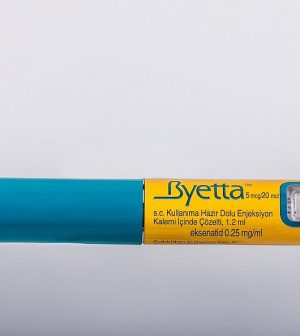
Hopes that GLP-1 drugs such as Ozempic and Wegovy could help slow Parkinson’s disease have taken an hit.
A new study found that a drug in the same class called exenatide, marketed as Byetta, had no effect on slowing the disease or easing its symtoms.
The trial, published Feb. 4 in The Lancet, followed 194 people with Parkinson’s disease for 96 weeks.
Patients were randomly assigned to inject either Byetta or a placebo once a week. The results? Disappointing.
“We found no evidence to support exenatide as a disease-modifying treatment for people with Parkinson’s disease,” researchers wrote.
There was no improvement in symptoms; no slowing of brain degeneration; no benefit on brain scans; no positive effect.
“It’s hugely disappointing,” Dr. Thomas Foltynie of University College London, who led the trial, told The New York Times. “We were expecting we would come through and we would get a positive result.”
For years now, researchers have hoped that GLP-1 drugs, which have revolutionized treatment of diabetes and weight loss, could also protect neurons and slow brain disease.
In fact, early animal lab studies and smaller clinical trials suggested potential benefits, The Times reported.
But this larger study offered no clear evidence that GLP-1 drugs work for Parkinson’s.
“This is a sobering moment,” Dr. Michael S. Okun, a Parkinson’s disease expert at the University of Florida and national medical adviser for the Parkinson’s Foundation, told The Times. “This is a really well done study and it came up empty-handed.”
The study could also impact research into GLP-1 drugs for Alzheimer’s disease, as some researchers have been testing whether these medications might help slow cognitive decline.
But Parkinson’s specialists warn that without a clear understanding of how GLP-1 drugs work in the brain, future studies may be just as disappointing.
“I wouldn’t do another study like this unless you learn what is the target,” Dr. David Standaert, a Parkinson’s researcher at the University of Alabama at Birmingham, told The Times. “What is the biochemistry you are trying to change in the brain? How do these drugs work, anyway?”
More information
The Parkinson’s Foundation has more on the disease, causes, signs and more.
SOURCES: The New York Times, media report, Feb. 4, 2025; The Lancet, Feb. 4, 2025
Source: HealthDay
Copyright © 2026 HealthDay. All rights reserved.
Related
-
 Navigating Your Midlife Crisis: Embracing New Possibilities
A midlife crisis can open doors to personal growth...
- December 4, 2025
-
 Want A Happier Hospital? Hire More Nurses, Study Says
Adding even a few extra nurses can dramatically reduce...
- November 20, 2025
-
 Plasma Treatment Shows Promise For Menopause Symptoms Among Breast Cancer Survivors
Plasma infusions may help breast cancer survivors avoid genital...
- November 20, 2025
-
 Self-Hypnosis Can Thwart Hot Flashes
Self-hypnosis might help some women in menopause find relief...
- November 14, 2025






