
- How Blue Light Impacts Your Sleep Quality
- Comparing Whey and Plant-Based Protein: Which is Best?
- How Long Does Nicotine Remain in Your System?
- The Best Time of Day to Drink Bone Broth to Maximize Health Benefits
- 8 Ways to Increase Dopamine Naturally
- 7 Best Breads for Maintaining Stable Blood Sugar
- Gelatin vs. Collagen: Which is Best for Skin, Nails, and Joints?
- The Long-Term Effects of Daily Turmeric Supplements on Liver Health
- Could Your Grocery Store Meat Be Causing Recurring UTIs?
- Are You Making This Expensive Thermostat Error This Winter?
Greater Cooling of Oxygen-Deprived Infants Fails to Improve Survival
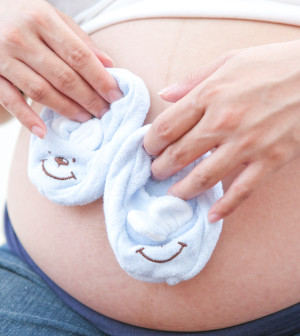

Longer and colder body cooling does not reduce the risk of death in newborns who have brain damage from a lack of oxygen, a new study finds.
The risk of death and disability in newborns with this condition — called hypoxic ischemic encephalopathy — can be reduced by lowering their body temperature to 33.5 degrees Celsius (92.3 Fahrenheit) for 72 hours, experts say.
Research has shown that longer and deeper cooling protects the brains of animals, so this study examined if the same would be true in humans.
The study included 364 full-term newborns with moderate to severe hypoxic ischemic encephalopathy who received one of the following cooling treatments: 33.5 degrees C for 72 hours, 32 degrees C (89.6 F) for 72 hours, 33.5 degrees C for 120 hours, and 32 degrees C for 120 hours.
The researchers planned to assess the infants’ outcomes when they were 18 to 22 months old, but the study was halted early because of discouraging results.
Death rates while the infants were in the neonatal intensive care unit (NICU) were 7 percent for the 33.5 degrees/72 hours group. Death rates were at least twice that for the other groups, peaking at 17 percent for babies cooled to 32 degrees for 120 hours.
“Among neonates of at least 36 weeks’ gestational age with moderate or severe hypoxic ischemic encephalopathy, deeper cooling or longer duration of cooling compared with hypothermia at 33.5 degrees C for 72 hours did not reduce NICU death. These results have implications for patient care and the design of future trials,” Dr. Seetha Shankaran, of Wayne State University in Indiana, and colleagues wrote in the Dec. 24 issue of the Journal of the American Medical Association.
Further research is needed to find ways to improve survival for newborns with hypoxic ischemic encephalopathy, Nicola Robertson and Neil Marlow, of University College London in England, wrote in an accompanying editorial.
More information
Braininjury.org has more about hypoxic ischemic encephalopathy.
Source: HealthDay
Copyright © 2026 HealthDay. All rights reserved.
Related
-
 Navigating Your Midlife Crisis: Embracing New Possibilities
A midlife crisis can open doors to personal growth...
- December 4, 2025
-
 Want A Happier Hospital? Hire More Nurses, Study Says
Adding even a few extra nurses can dramatically reduce...
- November 20, 2025
-
 Plasma Treatment Shows Promise For Menopause Symptoms Among Breast Cancer Survivors
Plasma infusions may help breast cancer survivors avoid genital...
- November 20, 2025
-
 Self-Hypnosis Can Thwart Hot Flashes
Self-hypnosis might help some women in menopause find relief...
- November 14, 2025






