
- How Blue Light Impacts Your Sleep Quality
- Comparing Whey and Plant-Based Protein: Which is Best?
- How Long Does Nicotine Remain in Your System?
- The Best Time of Day to Drink Bone Broth to Maximize Health Benefits
- 8 Ways to Increase Dopamine Naturally
- 7 Best Breads for Maintaining Stable Blood Sugar
- Gelatin vs. Collagen: Which is Best for Skin, Nails, and Joints?
- The Long-Term Effects of Daily Turmeric Supplements on Liver Health
- Could Your Grocery Store Meat Be Causing Recurring UTIs?
- Are You Making This Expensive Thermostat Error This Winter?
LA Wildfires Spewed Lead Into Atmosphere
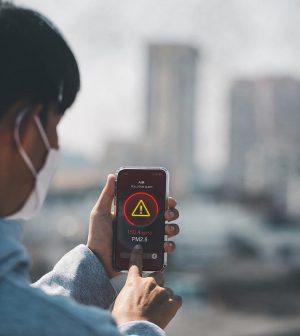
The Los Angeles wildfires spewed toxic lead into the southern California atmosphere during their rampage, a new U.S. Centers for Disease Control and Prevention (CDC) study says.
Airborne lead soared to 110 times normal levels during the wildfires, according to readings taken by an air monitoring site located about 14 miles from the Eaton Canyon fire.
These heavy doses of lead filled the air for three days, between Jan. 8 and Jan. 11, before returning to usual levels, researchers reported in the CDC’s Morbidity and Mortality Weekly Report.
“The presence of heavy metals such as lead is not unusual in urban fire emissions, particularly in California, where legacy pollutants from older infrastructure, industrial sources, and soils can be remobilized during fires,” the team, led by senior researcher Nga Ng, a professor of chemical and biomolecular engineering at Georgia Tech in Atlanta, wrote.
Lead emitted by the L.A. wildfires peaked at about 0.5 micrograms per cubic meter on Jan. 9, results show.
The current standard for airborne lead set by the Environmental Protection Agency is 0.15 micrograms per cubic meter over a three-month rolling average, researchers noted.
It’s not clear what effect this short but intense dose of airborne lead might have on human health, researchers said.
“Lead is a toxic air contaminant that is distributed in multiple human tissues and accumulates in teeth and bones,” the team wrote. “It affects nearly every organ system, posing significant health risks, particularly for children, who are more vulnerable to its neurodevelopmental effects.”
Kids exposed to lead might develop behavioral problems, learning deficits and lowered IQ due to the effect of the toxic metal on their developing brains, the Environmental Protection Agency (EPA) says.
However, the researchers added that “the health effects of brief, elevated lead exposures, such as those described in this report, are not well understood.”
“Additional health research is needed, because airborne lead levels alone do not necessarily indicate exposure,” the report says.
There is no safe level of exposure to lead, according to the World Health Organization (WHO).
Airborne lead levels in the U.S. have decreased by 97% since 1980, thanks to measures that removed lead from gasoline, plumbing pipes, residential paint and other consumer goods, researchers added.
More information
The American Lung Association has more on lead air pollution.
SOURCE: Morbidity and Mortality Weekly Report, U.S. Centers for Disease Control and Preention, Feb. 20, 2025
Source: HealthDay
Copyright © 2026 HealthDay. All rights reserved.
Related
-
 Navigating Your Midlife Crisis: Embracing New Possibilities
A midlife crisis can open doors to personal growth...
- December 4, 2025
-
 Want A Happier Hospital? Hire More Nurses, Study Says
Adding even a few extra nurses can dramatically reduce...
- November 20, 2025
-
 Plasma Treatment Shows Promise For Menopause Symptoms Among Breast Cancer Survivors
Plasma infusions may help breast cancer survivors avoid genital...
- November 20, 2025
-
 Self-Hypnosis Can Thwart Hot Flashes
Self-hypnosis might help some women in menopause find relief...
- November 14, 2025






