
- How Blue Light Impacts Your Sleep Quality
- Comparing Whey and Plant-Based Protein: Which is Best?
- How Long Does Nicotine Remain in Your System?
- The Best Time of Day to Drink Bone Broth to Maximize Health Benefits
- 8 Ways to Increase Dopamine Naturally
- 7 Best Breads for Maintaining Stable Blood Sugar
- Gelatin vs. Collagen: Which is Best for Skin, Nails, and Joints?
- The Long-Term Effects of Daily Turmeric Supplements on Liver Health
- Could Your Grocery Store Meat Be Causing Recurring UTIs?
- Are You Making This Expensive Thermostat Error This Winter?
Scientists May Have Found ‘Marker’ for Schizophrenia

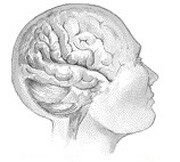
Brain irregularities are present before a person develops schizophrenia, researchers report.
In previous work, the Yale University researchers found that schizophrenia was linked with significant changes in connections between the thalamus and the frontal cortex. The thalamus is a major relay system in the brain, and the frontal cortex is involved in higher-level thinking.
In this new study, the researchers found that these changes are already present before schizophrenia, a serious mental illness, is diagnosed. The findings offer a potential marker for the disease that affects 1 percent of people worldwide, the researchers said.
“Up until this study, we did not know whether this pattern was a result of the disease or a potential byproduct of medication or some other factor,” study lead author Alan Anticevic, assistant professor of psychiatry, said in a Yale news release.
“We show these same abnormalities already exist in people who are at higher risk for developing psychosis,” he explained.
The study was published online Aug. 12 in the journal JAMA Psychiatry.
Schizophrenia usually develops in the late teens or early adult years, but patients often experience early warning signs such as mild suspicion, or hearing a voice calling their name.
In this new study, the researchers analyzed the brains of 243 people with early warning signs of schizophrenia and 154 healthy people, and then followed both groups for two years.
Further research is needed to confirm if the brain changes identified in this study actually cause schizophrenia, the study authors said.
More information
The U.S. National Institute of Mental Health has more about schizophrenia.
Source: HealthDay
Copyright © 2026 HealthDay. All rights reserved.
Related
-
 Navigating Your Midlife Crisis: Embracing New Possibilities
A midlife crisis can open doors to personal growth...
- December 4, 2025
-
 Want A Happier Hospital? Hire More Nurses, Study Says
Adding even a few extra nurses can dramatically reduce...
- November 20, 2025
-
 Plasma Treatment Shows Promise For Menopause Symptoms Among Breast Cancer Survivors
Plasma infusions may help breast cancer survivors avoid genital...
- November 20, 2025
-
 Self-Hypnosis Can Thwart Hot Flashes
Self-hypnosis might help some women in menopause find relief...
- November 14, 2025






