
- How Blue Light Impacts Your Sleep Quality
- Comparing Whey and Plant-Based Protein: Which is Best?
- How Long Does Nicotine Remain in Your System?
- The Best Time of Day to Drink Bone Broth to Maximize Health Benefits
- 8 Ways to Increase Dopamine Naturally
- 7 Best Breads for Maintaining Stable Blood Sugar
- Gelatin vs. Collagen: Which is Best for Skin, Nails, and Joints?
- The Long-Term Effects of Daily Turmeric Supplements on Liver Health
- Could Your Grocery Store Meat Be Causing Recurring UTIs?
- Are You Making This Expensive Thermostat Error This Winter?
Some Smart Ways to Jumpstart Your Recycling Program
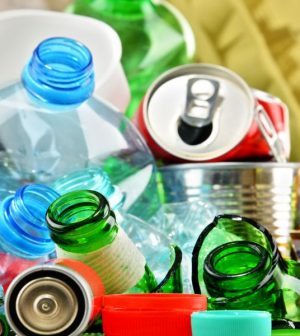
Working toward a healthier environment involves more than separating glass and plastic. Try a new take on the three “R’s” — recycle, reduce and reuse — to save money, energy and natural resources.
Start in your pantry. Donate packaged foods you know you’re not going to eat to a local food bank or soup kitchen.
When you shop, buying in bulk and choosing items in refillable containers translate to less packaging. These options are often more economical in the long-term, too.
To make the most of some of your food waste, start a compost pile. This is a mix of organic material that can be used in your vegetable or flower garden. Compost piles do double duty by keeping this waste out of landfills, where it releases the potent greenhouse gas methane.
The U.S. Environmental Protection Agency estimates that food scraps and yard waste represent up to 30 percent of what Americans throw away and could be easily composted instead. But compost only fruit and vegetable waste — no meat or bones, for instance.
Compost Composition
- Greens: grass clippings, vegetable and fruit waste, and coffee grounds.
- Browns: yard materials like leaves, branches and twigs.
- Water: add to the greens and browns to help the composting material develop.
When it’s ready, use your compost to feed your soil. It can help sandy soil hold nutrients and water, or be used to loosen hard clay soil.
If you aren’t able to compost, try “grass-cycling.” Mow higher and leave the clippings in place.
These steps are just the beginning. Most communities have recycling programs. Get involved by helping to organize activities and promoting sustainable practices. Find out more at epa.gov.
More information
The EPA has specific guidelines for easy composting to help you get started.
Source: HealthDay
Copyright © 2026 HealthDay. All rights reserved.
Related
-
 Navigating Your Midlife Crisis: Embracing New Possibilities
A midlife crisis can open doors to personal growth...
- December 4, 2025
-
 Want A Happier Hospital? Hire More Nurses, Study Says
Adding even a few extra nurses can dramatically reduce...
- November 20, 2025
-
 Plasma Treatment Shows Promise For Menopause Symptoms Among Breast Cancer Survivors
Plasma infusions may help breast cancer survivors avoid genital...
- November 20, 2025
-
 Self-Hypnosis Can Thwart Hot Flashes
Self-hypnosis might help some women in menopause find relief...
- November 14, 2025






