
- How Blue Light Impacts Your Sleep Quality
- Comparing Whey and Plant-Based Protein: Which is Best?
- How Long Does Nicotine Remain in Your System?
- The Best Time of Day to Drink Bone Broth to Maximize Health Benefits
- 8 Ways to Increase Dopamine Naturally
- 7 Best Breads for Maintaining Stable Blood Sugar
- Gelatin vs. Collagen: Which is Best for Skin, Nails, and Joints?
- The Long-Term Effects of Daily Turmeric Supplements on Liver Health
- Could Your Grocery Store Meat Be Causing Recurring UTIs?
- Are You Making This Expensive Thermostat Error This Winter?
Butter or Margarine? The Latest Round in a Long-Running Debate
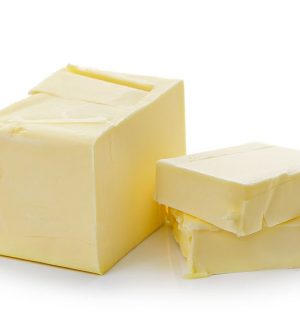
Thanks to a federal ban on trans fats — commonly listed on labels as partially hydrogenated oils — margarine makers have taken steps to remove them from their ingredients. Does this mean margarine is once again a better choice than butter?
Not necessarily.
That’s in part because some studies have given the saturated fat in butter a reprieve. No, you shouldn’t be drowning your veggies in it or eating buttery desserts every day, but used sparingly — a pat here and there — it’s unlikely to harm you. There are also light or whipped butters that add water or air to halve the amount of fat and calories in each serving while still delivering on taste.
On the other hand, you might choose from soft margarines and other spreads that include nutrients called plant sterols and stanols, which help lower cholesterol for some people. Still, any such products that include palm oil and/or palm kernel oil will have saturated fat. And at 70 or 80 calories per tablespoon, those calories can add up.
So compare the nutrition labels of all spreads you’re considering. Look not only at saturated fat and total fat calories, but also at the ingredients list to see if there’s any partially hydrogenated oil at all. Although this main source of trans fat has, by and large, been removed from foods, it may not be completely gone. The U.S. Food and Drug Administration allows a food with less than 0.5 grams of trans fat per serving to state that it has 0 g of trans fat. The amount might seem insignificant in a one-tablespoon serving, but if you use two tablespoons of a spread twice day, you’re not really getting zero trans fat.
Healthier alternatives to butter or margarine include spreads based on olive oil and other vegetable oils, which contain beneficial mono- and polyunsaturated fats. Even better, the next time you tear into a warm loaf of bread or roll, consider dipping it in extra-virgin olive oil in its natural state rather than coating it with a spread.
More information
The University of California, Davis, has more about butter to help you make the best spread choice.
Source: HealthDay
Copyright © 2026 HealthDay. All rights reserved.
Related
-
 Navigating Your Midlife Crisis: Embracing New Possibilities
A midlife crisis can open doors to personal growth...
- December 4, 2025
-
 Want A Happier Hospital? Hire More Nurses, Study Says
Adding even a few extra nurses can dramatically reduce...
- November 20, 2025
-
 Plasma Treatment Shows Promise For Menopause Symptoms Among Breast Cancer Survivors
Plasma infusions may help breast cancer survivors avoid genital...
- November 20, 2025
-
 Self-Hypnosis Can Thwart Hot Flashes
Self-hypnosis might help some women in menopause find relief...
- November 14, 2025






