
- How Blue Light Impacts Your Sleep Quality
- Comparing Whey and Plant-Based Protein: Which is Best?
- How Long Does Nicotine Remain in Your System?
- The Best Time of Day to Drink Bone Broth to Maximize Health Benefits
- 8 Ways to Increase Dopamine Naturally
- 7 Best Breads for Maintaining Stable Blood Sugar
- Gelatin vs. Collagen: Which is Best for Skin, Nails, and Joints?
- The Long-Term Effects of Daily Turmeric Supplements on Liver Health
- Could Your Grocery Store Meat Be Causing Recurring UTIs?
- Are You Making This Expensive Thermostat Error This Winter?
Don’t Rule Out Kidneys From Elderly Donors
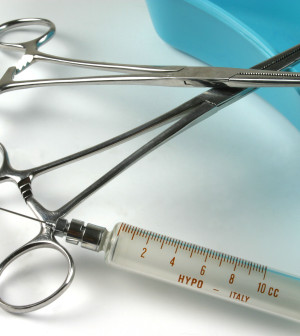
Healthy kidneys from elderly donors are often rejected, but even kidneys from donors 80 and older can function for years after transplantation, Italian researchers report.
The results were published online Dec. 15 in the Clinical Journal of the American Society of Nephrology.
“The results of this study support the use of extended criteria donors, even donors older than 80 years, but they have to be accurately selected and managed with dedicated protocols,” Dr. Luigi Biancone, of the University of Turin, said in a journal news release.
Researchers analyzed results of deceased donor kidney transplants performed at the Turin University Renal Transplant Center between 2003 and 2013.
They focused on almost 650 transplants from so-called “extended criteria” donors — donors older than 60 and those aged 50 to 59 with certain risk factors.
After a follow-up of nearly five years on average, patient and kidney survival were comparable whether the kidney donors were in their 50s, 60s, 70s or 80 and older, the study found.
Five-year patient survival rates ranged from 88 percent to 90 percent. Kidney survival rates ranged from 66 percent to 75 percent, the researchers said.
Rates of kidneys rejected for transplantation were similar for organs from donors ages 50 to 79 years, but much higher for kidneys from donors 80 and older, according to the study.
More information
The U.S. National Institute of Diabetes and Digestive and Kidney Diseases has more on kidney transplantation.
Source: HealthDay
Copyright © 2026 HealthDay. All rights reserved.
Related
-
 Navigating Your Midlife Crisis: Embracing New Possibilities
A midlife crisis can open doors to personal growth...
- December 4, 2025
-
 Want A Happier Hospital? Hire More Nurses, Study Says
Adding even a few extra nurses can dramatically reduce...
- November 20, 2025
-
 Plasma Treatment Shows Promise For Menopause Symptoms Among Breast Cancer Survivors
Plasma infusions may help breast cancer survivors avoid genital...
- November 20, 2025
-
 Self-Hypnosis Can Thwart Hot Flashes
Self-hypnosis might help some women in menopause find relief...
- November 14, 2025






