
- How Blue Light Impacts Your Sleep Quality
- Comparing Whey and Plant-Based Protein: Which is Best?
- How Long Does Nicotine Remain in Your System?
- The Best Time of Day to Drink Bone Broth to Maximize Health Benefits
- 8 Ways to Increase Dopamine Naturally
- 7 Best Breads for Maintaining Stable Blood Sugar
- Gelatin vs. Collagen: Which is Best for Skin, Nails, and Joints?
- The Long-Term Effects of Daily Turmeric Supplements on Liver Health
- Could Your Grocery Store Meat Be Causing Recurring UTIs?
- Are You Making This Expensive Thermostat Error This Winter?
American Red Cross Issues Urgent Call for Blood Donations

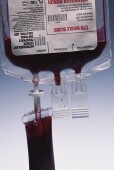
Blood donations to the American Red Cross are down substantially, and the agency says an “emergency situation” could arise within weeks.
“Donations through the Red Cross are down approximately 8 percent over the last 11 weeks, resulting in about 80,000 fewer donations than expected,” the agency said in a statement released Tuesday. “The number of donors continues to decline.”
The looming blood shortage can be blamed, in part, on the calendar: This year, July Fourth fell on a Friday, cutting the number of blood drives the Red Cross could schedule for early July as volunteers went on vacation.
“In an average summer week, about 4,400 Red Cross blood drives are scheduled, compared to Independence Day week when only 3,450 drives occurred,” the agency said.
While “all eligible donors” are being urged to give blood, types O negative, B negative and A negative are especially needed, the Red Cross said. Type O is the “universal” blood type, which can be safely used by anyone needing a transfusion.
Also needed are platelets, which allow blood to clot and are often needed by cancer patients, bone marrow recipients and burn victims. These patients need to be given these platelets within five days of donation, so it’s essential that a fresh supply of donated platelets always be on hand, the Red Cross said.
The agency reminds Americans that blood can be safely donated every 56 days, and platelets can be donated as often as once a week.
Those deemed eligible to donate blood typically include anyone age 17 or older who weighs at least 110 pounds and is in generally good health. High school students and others aged 18 or younger also have to meet certain height and weight measurements.
“Blood and platelet donations are needed now and for the rest of the summer,” the Red Cross said. “Individuals who donated blood earlier this summer may now be eligible to donate again and help patients such as accident victims, heart surgery patients and children with blood disorders.”
More information
To find out how and where you can donate blood, head to the American Red Cross.
Source: HealthDay
Copyright © 2026 HealthDay. All rights reserved.
Related
-
 Navigating Your Midlife Crisis: Embracing New Possibilities
A midlife crisis can open doors to personal growth...
- December 4, 2025
-
 Want A Happier Hospital? Hire More Nurses, Study Says
Adding even a few extra nurses can dramatically reduce...
- November 20, 2025
-
 Plasma Treatment Shows Promise For Menopause Symptoms Among Breast Cancer Survivors
Plasma infusions may help breast cancer survivors avoid genital...
- November 20, 2025
-
 Self-Hypnosis Can Thwart Hot Flashes
Self-hypnosis might help some women in menopause find relief...
- November 14, 2025






