
- How Blue Light Impacts Your Sleep Quality
- Comparing Whey and Plant-Based Protein: Which is Best?
- How Long Does Nicotine Remain in Your System?
- The Best Time of Day to Drink Bone Broth to Maximize Health Benefits
- 8 Ways to Increase Dopamine Naturally
- 7 Best Breads for Maintaining Stable Blood Sugar
- Gelatin vs. Collagen: Which is Best for Skin, Nails, and Joints?
- The Long-Term Effects of Daily Turmeric Supplements on Liver Health
- Could Your Grocery Store Meat Be Causing Recurring UTIs?
- Are You Making This Expensive Thermostat Error This Winter?
FDA Warns of Animal Tranquilizer in Illicit Drugs
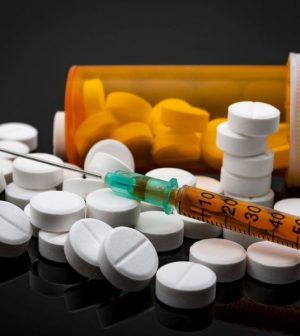
The U.S. Food and Drug Administration on Tuesday warned health care workers to look out for patients who may have been exposed to a potentially deadly animal sedative, possibly through illicit drug use.
The veterinary medication xylazine is sometimes added to fentanyl, heroin or other drugs, after either being diverted from the legal animal supply or illicitly produced, the FDA said.
“FDA is aware of increasing reports of serious side effects from individuals exposed to fentanyl, heroin, and other illicit drugs contaminated with xylazine,” the agency announced in a news release.
The non-opioid — sometimes called tranq — is approved for use in animals as a sedative and pain reliever. It is not safe for use in humans.
Deaths tied to xylazine have increased significantly in recent years. According to the U.S. National Institute on Drug Abuse, overdose deaths involving xylazine jumped from 2% to 26% in Pennsylvania alone between 2015 and 2020.
Serious side effects may resemble those linked to opioid use, making it difficult to distinguish opioid overdoses from xylazine exposure. Moreover, naloxone, which can reverse the effects of some opioid drug overdoses, may not have the same effect on xylazine, the agency said.
The FDA warned health care professionals not to administer reversal agents used for xylazine in veterinary medicine because it is not known whether they are safe or effective in humans.
The FDA advised health care professionals to continue administering naloxone when they suspect someone is experiencing an opioid overdose. And providers should consider xylazine exposure if the patient does not respond to naloxone.
Other symptoms of xylazine exposure include slowed breathing and severe, necrotic skin ulcerations.
Complicating the issue, routine toxicology screens do not detect xylazine.
Health care professionals and patients should report exposure to xylazine to the FDA’s MedWatch Adverse Event Reporting program at www.fda.gov/medwatch/report.htm. You can also download and fax the completed form to 1-800-FDA-0178.
More information
The U.S. National Institute on Drug Abuse has more on xylazine.
SOURCE: U.S. Food and Drug Administration, news release, Nov. 8, 2022
Source: HealthDay
Copyright © 2026 HealthDay. All rights reserved.
Related
-
 Navigating Your Midlife Crisis: Embracing New Possibilities
A midlife crisis can open doors to personal growth...
- December 4, 2025
-
 Want A Happier Hospital? Hire More Nurses, Study Says
Adding even a few extra nurses can dramatically reduce...
- November 20, 2025
-
 Plasma Treatment Shows Promise For Menopause Symptoms Among Breast Cancer Survivors
Plasma infusions may help breast cancer survivors avoid genital...
- November 20, 2025
-
 Self-Hypnosis Can Thwart Hot Flashes
Self-hypnosis might help some women in menopause find relief...
- November 14, 2025






